How SEO is Evolving during this AI Era: What Actually Changed
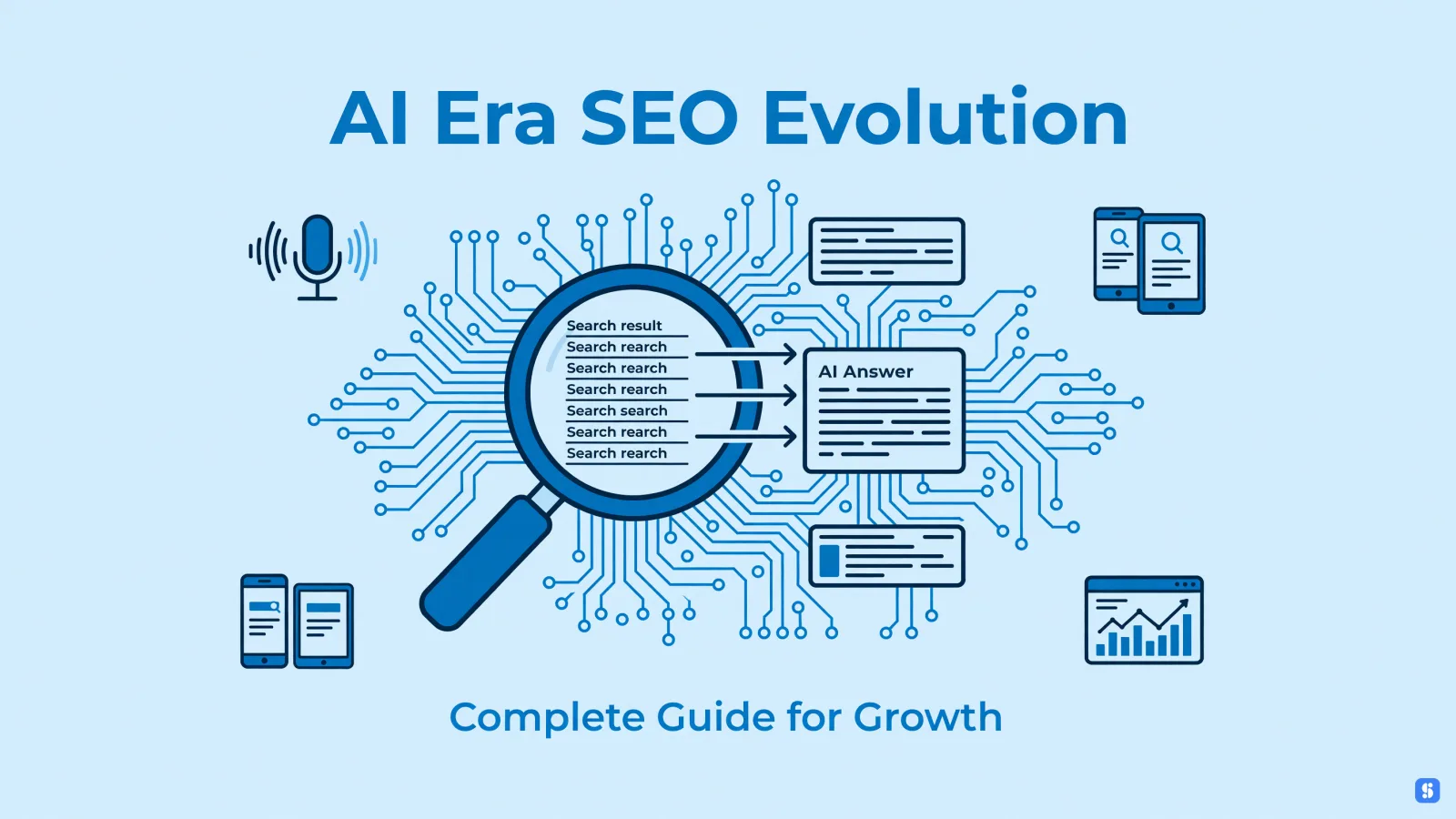
How SEO is evolving during this AI era is a simpler story than the pitch decks suggest. The old playbook still works. It is just not enough anymore. Google rankings still come down to relevance, authority, and technical health. But a real share of research now starts in ChatGPT, Gemini, or DeepSeek, where the winner is the source that gets cited, not the site that ranks first.
The old playbook still works. It is just not enough anymore.
Keywords, backlinks, clean site architecture. Those still move rankings. What changed is that AI answer engines add a second battlefield. You can hold the first position in Google and still be invisible in a ChatGPT response because no citation points to your brand. (see Azuqe)
So the job has two halves now: keep winning classic SERPs, and make your content structured and quotable enough to become the cited source in an AI answer. That second half is where most teams have no process at all. (source: State of SEO in the AI Era -)
Why the AI Era SEO Evolution guide you were pitched is oversold
Most guides on how SEO is evolving during this AI Era read like a wish list, not a workflow. They tell you to build topical authority, tweak for entity recognition, and measure it across engines that do not share their data. None of that is wrong. It is just not actionable on a real budget with a real deadline. (see Azuqe)
What actually changed is measurable: are you cited in AI answers, and is your site technically clean enough for Google to keep trusting it? Answer those two and you are ahead of most teams. Azuqe's AI-powered search growth approach skips most of the theory in that guide.
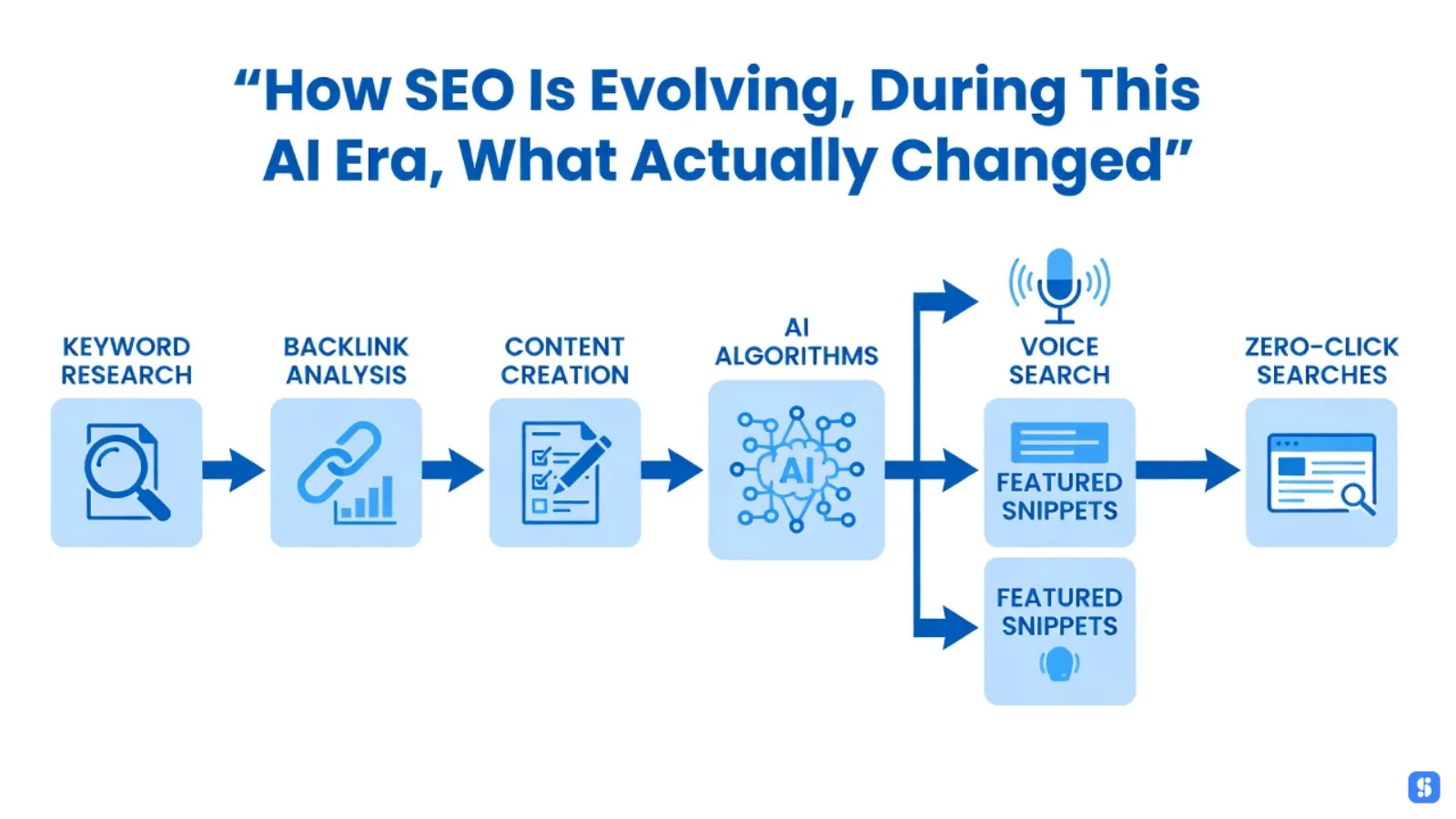
SEO evolution process flow
How AI answer Engines Rewrote the Definition of "Ranking"
Ask how SEO is evolving during this AI Era and the honest answer starts here: ranking no longer means one thing. Users get answers from two places now: classic Google SERPs and AI answer engines like ChatGPT, Gemini, and DeepSeek. When someone asks an AI engine which analytics tool is best, it doesn't return ten blue links. It names three vendors, summarizes their strengths, and moves on. If your brand isn't cited, you don't exist in that answer. (source: How to Tweak Your Website For Generative)
This breaks the old playbook. Keyword density won't earn an AI citation, and checking Google rankings alone leaves you blind to the fastest-growing slice of search traffic. You need to know which queries trigger AI mentions of your brand, and whether your content is actually being cited. That's a different tracking job, with different tools. (see Azuqe vs Moz, Compare SEO suite)
That's why Azuqe monitors brand visibility across Google and AI answer engines in one unified score. See how it works in the AI-Powered Search Growth overview.
How do AI Summaries Actually Affect Search Results?
If you are trying to understand how SEO is evolving during this AI Era, start here: the click itself changed. AI Overviews and answer engines like ChatGPT, Gemini, and DeepSeek now resolve many queries directly in the SERP, so users do not always click through. The old job of ranking tenth and hoping for a click is gone. The new job is getting named inside the answer. (source: Artificial Intelligence's Game-changing Role in Search)
What AI Overviews and answer engines changed about the click
Classic SEO optimized for a list of blue links. AI summaries compress the journey: the user asks, the engine synthesizes, and the user leaves with an answer, not a destination. According to on the state of SEO in the AI era, the discipline is shifting from chasing rankings to ensuring your brand is the one referenced when an engine generates its response.
Key takeaways card grid
That shift changes what you measure. Ranking position matters less than whether your site appears as a cited source inside an AI-generated answer. And it changes what you build: content structured so an engine can extract a clean, quotable claim about your product or service. (source: HFA Webinar - Winning in the Age of AI for Retail SEO)
The citation economy: why being named matters more than being ranked
Being named is the new ranking. When an AI engine cites your domain as the source for a claim, that citation becomes your visibility. It is also self-reinforcing: engines favor sources they already trust, so brands that earn citations early compound that advantage.
This is where most teams get stuck. They track Google positions obsessively and have no idea whether ChatGPT mentions them. You need a way to monitor brand citations across AI answer engines specifically, not just classic SERPs. That is the gap we built Azuqe's AI visibility tracking to close: one dashboard that shows where you rank in Google and whether AI engines actually name you as a source.
If you are not tracking citations yet, start. The brands that win this era will be the ones named in the answer, not the ones buried in the links below it.
What is the difference between Traditional SEO and AI-Enhanced SEO?
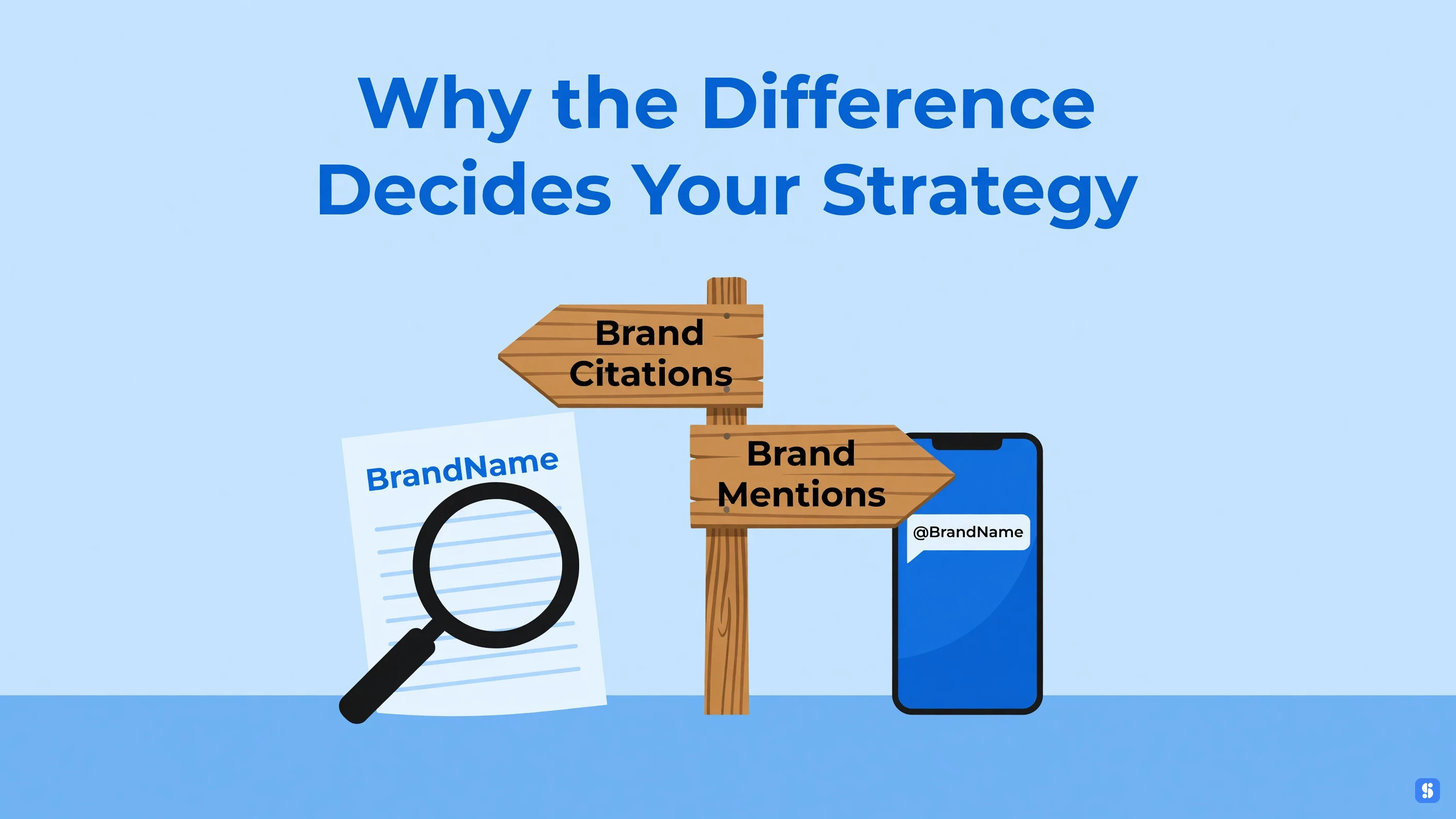
Traditional SEO was a ranking game. You targeted exact-match keywords, earned backlinks, and climbed Google's result pages. AI-enhanced SEO is a citation game. How SEO is evolving during this AI era comes down to the difference between being listed and being quoted as a source inside an AI answer. You now have two audiences: the classic crawler that scores your pages, and an AI model deciding whether your brand deserves a citation in ChatGPT, Gemini, or DeepSeek. Most teams still fine-tune for only one.
Keywords vs. entities: what you are actually optimizing for
A keyword strategy asks "which phrases can I rank for?" An entity strategy asks "does every search engine and AI answer engine clearly understand what my brand is, what it sells, and who it serves?"
When an AI engine answers "best SEO platform for marketing teams," it does not match keywords one by one. It assembles an answer from entities it trusts. A thin patchwork of keyword-stuffed pages gives a model no reason to cite you. A brand consistently described with the same facts and clean internal structure becomes citable, which is exactly what Azuqe's AI visibility tracking measures across Google and AI engines.
Why the technical baseline got stricter
AI engines quote from pages they can crawl and parse cleanly. Rendering issues, broken internal links, and slow responses quietly remove you from consideration. A quarterly technical audit no longer cuts it; continuous site audits catch those issues before they cost you a citation, not after.
How are Search Behaviors Evolving with AI?
Search behavior has shifted from browsing to asking. A user who once typed "best CRM for small teams" and scanned ten blue links now asks ChatGPT directly and gets one synthesized answer. That single change is how SEO is evolving during this AI era, and it rewrites the rules for what earns attention.
The click, not the query, is what changed. Generative answer engines compress research into a paragraph, so a query that once produced five visits now produces one visit or zero.
From ten blue links to one generated answer
Google's results page was built on choice. AI answer engines are built on reduction. They pull from multiple sources and return a single, confident response. The winner is the brand that gets cited in that response, not the one that ranks tenth on page three. Citation becomes the new ranking.
What this means for your content format and funnel
Content needs to be extractable. Write self-contained answers: a clear definition in the first sentence, a quotable claim, a specific example. Paragraphs that hedge or bury the point get dropped from AI citations. Lists, tables, and direct language survive extraction.
Your funnel changes too. Top-of-funnel traffic from Google is thinning, so brand visibility in AI answers becomes the new top of funnel. Track your citation rate in ChatGPT and Gemini alongside your Google rankings. That's what Azuqe's AI visibility tracking measures: your unified score across Google and AI answer engines, so you know which queries you're being cited for and which you're losing. See it in action with Azuqe, AI-Powered Search Growth.
How Can Websites Tweak for AI-Driven Search?
How SEO is evolving during this AI era comes down to one shift: the page that wins in AI search isn't the most keyword-rich; it's the one an engine can safely cite.
The citation checklist: what makes an AI engine trust you
ChatGPT and Gemini don't rank pages; they decide which sources to name. That decision rests on a short checklist: clear authorship, explicit claims, quotable phrasing, and a visible publication date. Bury the answer in a 2,000-word intro, and there's nothing clean to cite.
Structure matters more now. Direct headings, tight paragraphs, and a key claim that stands alone. If it survives being lifted out of context, it's citable.
We built the content briefs in Azuqe's AI-powered search growth workspace around this: real citations, a defined brand voice, and structure an AI engine can use.
Content that earns a mention, not just a click
Most AI-era optimization is just credibility. Original data, named sources, and specific numbers make you citable. Vague marketing language makes you skippable.
Ask whether your page would survive being quoted. If it wouldn't, rewrite it. The Azuqe help center walks through tracking brand citations across ChatGPT, Gemini, and DeepSeek.
Simple to state, hard to execute: classic SEO won the click; AI-era SEO has to win the mention first.
What strategies should Marketers use to adapt to AI in SEO?
Adapting to how SEO is evolving during this AI Era means collapsing your tracking into one score and automating the fixes that don't need human judgment. The teams winning right now aren't the ones with more dashboards. They're the ones with a single number everyone agrees on and a system that handles the boring stuff while they write.
The unified score approach to reporting
Most marketing teams track Google rankings in one tool, ChatGPT visibility in a second, and technical health in a third. By the time those metrics meet in a spreadsheet, the data is stale and "are we winning?" still has no answer.
A unified score fixes that. Azuqe's AI-Powered Search Growth monitoring pulls brand visibility across Google SERPs and AI answer engines like ChatGPT, Gemini, and DeepSeek into one score. It's not about ditching granular data. It's about giving a content manager and an executive the same number, so both know immediately whether the work is paying off.
Automation as the only scalable answer
The second strategy is automation, because manual tracking breaks the moment every page needs to rank in both Google and AI engines. Continuous site audits catch technical issues as they appear, and Azuqe's Automatic Fix Center resolves them without a developer in the loop.
When your week goes to writing content that answers AI-style queries, you don't have time to chase crawl errors. Let the tool fix what it can fix, and spend your hours on the work that actually moves the score. Azuqe Help, Guides & tutorials covers how to set both up.
How should You Track Rankings across Google and AI Engines?
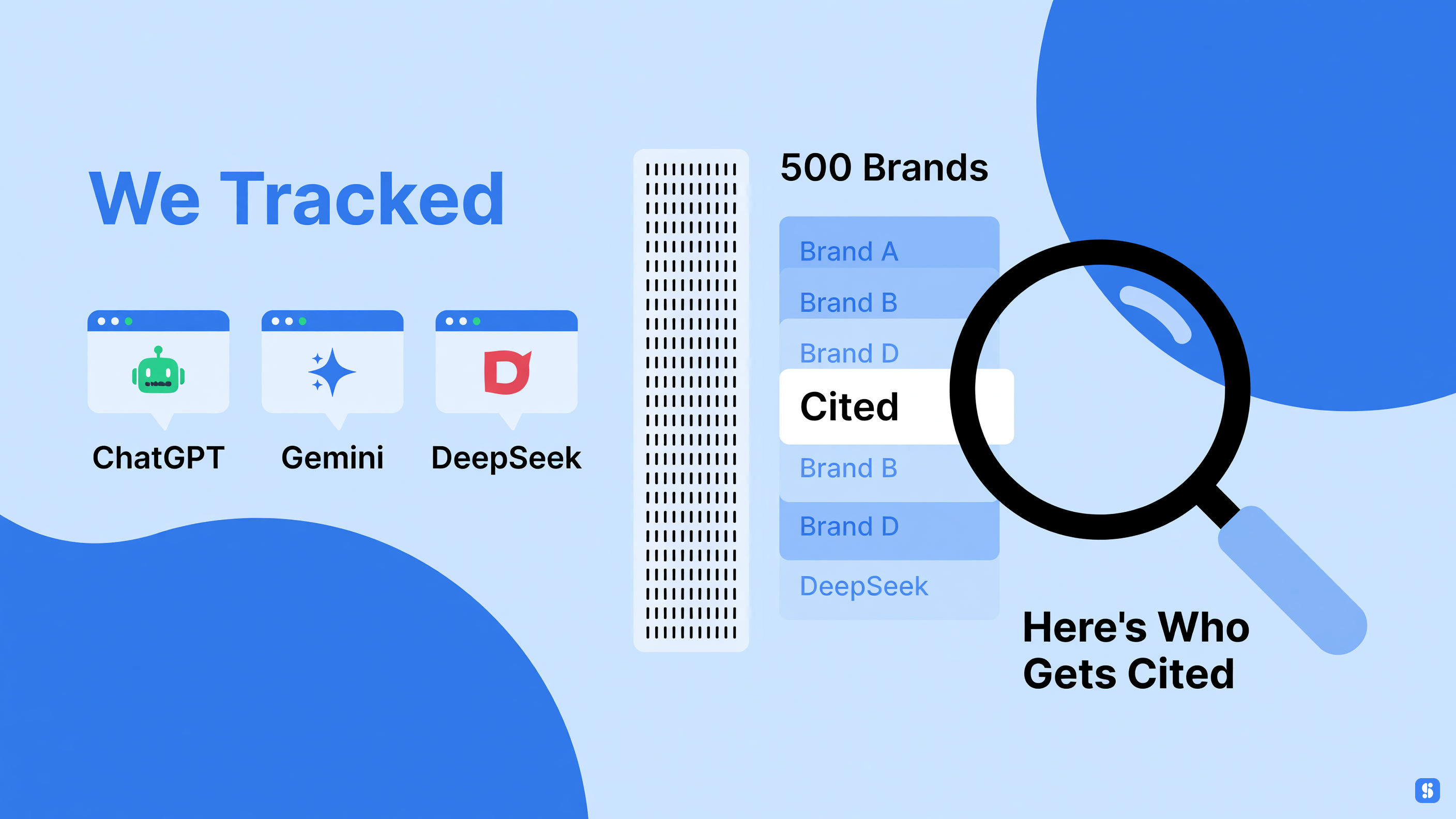
Understanding how SEO is evolving during this AI Era starts with what you track. Weekly, pair Google rankings with brand citation rates across ChatGPT, Gemini, and DeepSeek. A citation is when an answer engine names your brand or links to your content as a source. Use a unified score like Azuqe's AI Visibility Score so both numbers sit on one scale instead of juggling two tools.
What to measure weekly vs monthly
Weekly, track citations across AI engines plus priority Google keywords. Monthly, review which pieces earn repeated citations, which queries you appear for, and whether technical issues block either. One sitting, not ongoing panic. Azuqe's continuous audits push issues into a Fix Center, making monthly reviews decisions instead of hunts.
How to act on citation data without drowning in it
Group findings into three actions: fix technical issues blocking citations, refresh content close to ranking, and invest more in pieces AI engines already cite. Let automated fixes run and spend your energy on content decisions. Track less, act on the signal that actually moves traffic.
Common mistakes Teams Make when Adapting to AI Search
Most teams adapting to AI search repeat two costly mistakes: they chase AI rankings while their technical baseline is crumbling, and they treat AI optimization as a content rewrite job. Both come from the same misreading of how SEO is evolving during this AI Era.
Chasing AI rankings without fixing the technical baseline
AI answer engines like ChatGPT and Gemini can't cite what they can't crawl. Broken internal links, slow render paths, blocked resources, and stale sitemaps quietly destroy your visibility everywhere, not just in Google.
We see teams refreshing AI visibility scores while their last technical audit sits months old. Fix the baseline first. Azuqe's continuous site audits and Automatic Fix Center exist precisely because this unglamorous work determines whether your content gets cited at all.
Treating AI optimization as a content-only problem
The second mistake is treating generative engine optimization (GEO, the practice of making content visible and citable in AI answer engines) as purely a content problem. Rewriting posts to be more quotable helps, but citations also depend on structured data, internal linking, entity clarity, and consistent brand mentions across the web.
The same technical debt that hurts your Google rankings will keep your content out of AI answers too. We've watched teams publish polished AI-era content and still lose to competitors who fixed the rest of the stack first.
For a practical ordering of what to tackle, check Azuqe's AI-Powered Search Growth guide and the Azuqe Help Center for this exact sequence.
Frequently Asked Questions
Searching for how SEO is evolving during this AI Era generates plenty of theory and few concrete answers. These are the questions marketing teams actually ask us, answered directly.
How is AI changing SEO?
AI changed what "ranking" means. Google positions still matter, but you also need to be the source ChatGPT, Gemini, or DeepSeek cites when someone asks a question in your niche. Content needs clear structure, factual claims, and quote-ready phrasing, because AI engines lift answers from pages that are easy to read and verify.
What is AI answer share and why does it matter?
AI answer share is the percentage of AI-generated responses that mention or cite your brand. It matters because generative engines collapse ten search results into one synthesized answer. Rank well on Google but miss that answer, and you are absent from the exact place your audience gets information.
How are ads changing in the age of AI?
Ads are moving inside AI answers, and measurement is not keeping up. When an engine blends paid promotion into a synthesized response, users often cannot tell the difference, and click attribution gets unreliable. Organic visibility becomes more valuable, because AI engines build answers from organic content first, not ad copy.
What are generative search engines and how do they work?
A generative search engine writes a fresh, synthesized answer instead of returning a list of links. ChatGPT, Gemini, DeepSeek, and Google AI Overviews all qualify. They retrieve content, evaluate it for relevance and trust, then compose a response with citations. The SEO takeaway: write pages that state facts clearly and back them up, because that is exactly the material these engines quote. Azuqe, AI-Powered Search Growth can show you where your brand currently appears in those answers.
Conclusion: The SEO Playbook is Now a Two-Front Game
The SEO playbook is now a two-front game. Google rankings alone won't hold traffic when ChatGPT and Gemini answer questions before a user ever opens a browser.
How SEO is evolving during this AI Era comes down to one shift: you no longer make better for a single algorithm. You improve for two audiences, the classic SERP and the AI answer engine, and you track both with the same rigor.
Most guides oversell this transition. We still fight for featured snippets, fix technical errors that keep Google from crawling us, and now watch citation rates in AI answers we have little direct control over. Teams that adapt track both fronts in one workspace, not two.
That's what Azuqe is built for: a unified SEO and AI Visibility Score, continuous audits, and a Fix Center that handles technical fixes without a developer. For the mechanics, see our AI-powered search growth docs. The playbook changed. The only question is whether you're watching both fronts.
From our experience
We've watched organic traffic patterns shift as AI answer engines pull clicks away from traditional SERPs, and our unified visibility score now shows clients where they're actually losing ground, not just where Google ranks them.
Running continuous site audits across our own stack, we've found that fixing technical SEO issues automatically is what keeps brands visible in both classic search and AI citations, since answer engines penalize broken or slow pages just as hard.
Our citation ranking dashboard has revealed a hard truth: being mentioned in ChatGPT or Gemini responses often matters more than a top-three Google result, yet most teams still only track the latter.
We've seen that creating content with real citations in your brand voice is the only way to get picked up by AI engines consistently, but it requires a unified workflow; our users who juggle separate tools rarely keep up.
Honestly, our AI visibility tracking only covers ChatGPT, Gemini, and DeepSeek on higher plans, so we can't fully vouch for how brands fare on Claude or Perplexity; that's a gap we're still working through.