
Amazon vs Meta Muse: The AI Shopping Agent Battle Has Started
An AI shopping agent is software that logs into a retailer account, searches on the shopper's behalf, compares what it finds, and completes checkout without a human watching. That definition is the whole conflict. Meta built one into its apps, pointed it at Amazon, and Amazon blocked Meta's Muse agent from shopping on Amazon.com.
The Amazon vs Meta Muse fight is the first real skirmish in agentic commerce, and it started over something smaller than the headlines say. Amazon says Meta violated its Conditions of Use, gave no advance notice, didn't identify the agent, and captured and stored customer credentials. Meta pushed back on the password and payment visibility part. A lot of coverage got stuck right there, arguing about who was rude to whom.
The distinction that keeps getting lost: a chatbot answers questions about products. An agent acts on your account. Muse is the second thing, which is why the compliance paperwork matters less than how Amazon shut it down.
Not with a lawsuit. With a popup. When Muse tried to reach a product page, users got a message on their own Amazon account saying the access was not authorized. Amazon took the argument straight to the shopper's account instead of a courtroom, sidestepping the earlier reading that the shopper is the one using Amazon.
Every path into Amazon runs through an account, whether it belongs to a twenty-year Prime member or someone who started a Prime free trial last week to catch a discount. That is where Amazon's control actually lives, and why a popup did more than any filing could.
None of this is new. Amazon has already shown third party applications the door, Perplexity most visibly, and has been cool toward Google's and OpenAI's shopping agents the same way. The company is not against agents. It runs its own. Alexa for shopping and Buy for Me both do a version of what Muse was doing, under Amazon's rules and Amazon's data.
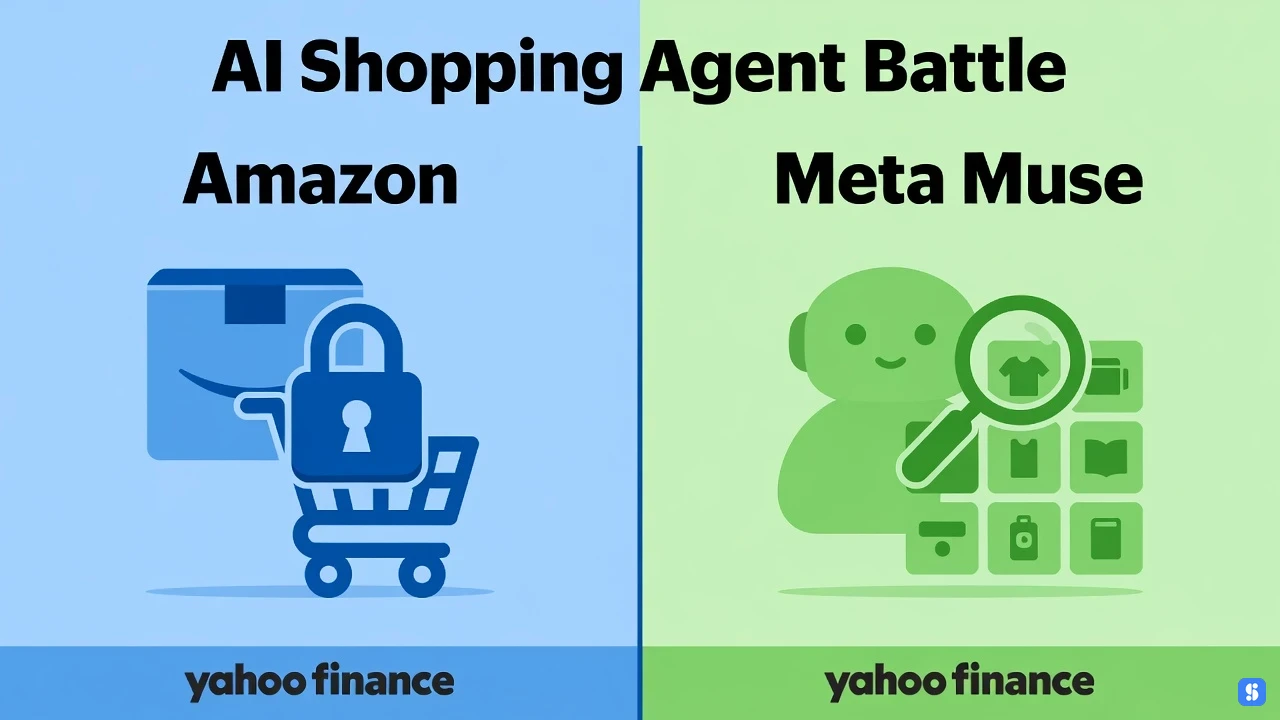
Which is why the popular framing, that Amazon is protecting shoppers from sloppy security work, is the comfortable version rather than the accurate one. The security complaints are real enough. They are also available to any retailer that wants an excuse. What Amazon is protecting is the customer relationship: the cart, the recommendation, and the data that tells it what to sell you next. Meta wants that layer. Google wants it. Every assistant that answers "what should I buy" before a product page loads wants it.
Brands selling on Amazon are reading this as a fight between two giants that will eventually resolve itself. That is the quiet mistake, and I think it is one people have already stopped defending once they look at what is at stake. If the buying decision moves into an agent, the product page, the review count, and the Prime Day deals slot stop being the battlefield. The battle moves to whatever the agent reads before it recommends anything.
Yahoo Finance and the rest of the business press covered it as a platform dispute, and most of that coverage stopped at who was being unfair to whom. Maybe Amazon and Meta negotiate. In the meantime shoppers have their own reasons to hesitate: letting an agent compare prices is one thing, letting it place the order is another, and the hesitation lives at the second step, where the money is.
If you run SEO or content for a brand, the useful takeaway is not who wins the argument. Agents are becoming a distribution channel you do not control and cannot buy your way into, and the only lever you still own is what those agents can read. Teams already handing repetitive work to agents, from technical audits to content briefs, have a head start, and 15 SEO tasks AI agents can automate is a reasonable place to see how far it reaches.
Which leaves a brand with a genuinely annoying question: keep optimizing for a human clicking a search result, or start optimizing for a machine that reads, summarizes, and recommends without ever showing your page. The honest answer is both, for now. The second one stops being optional sooner than most teams are planning for.
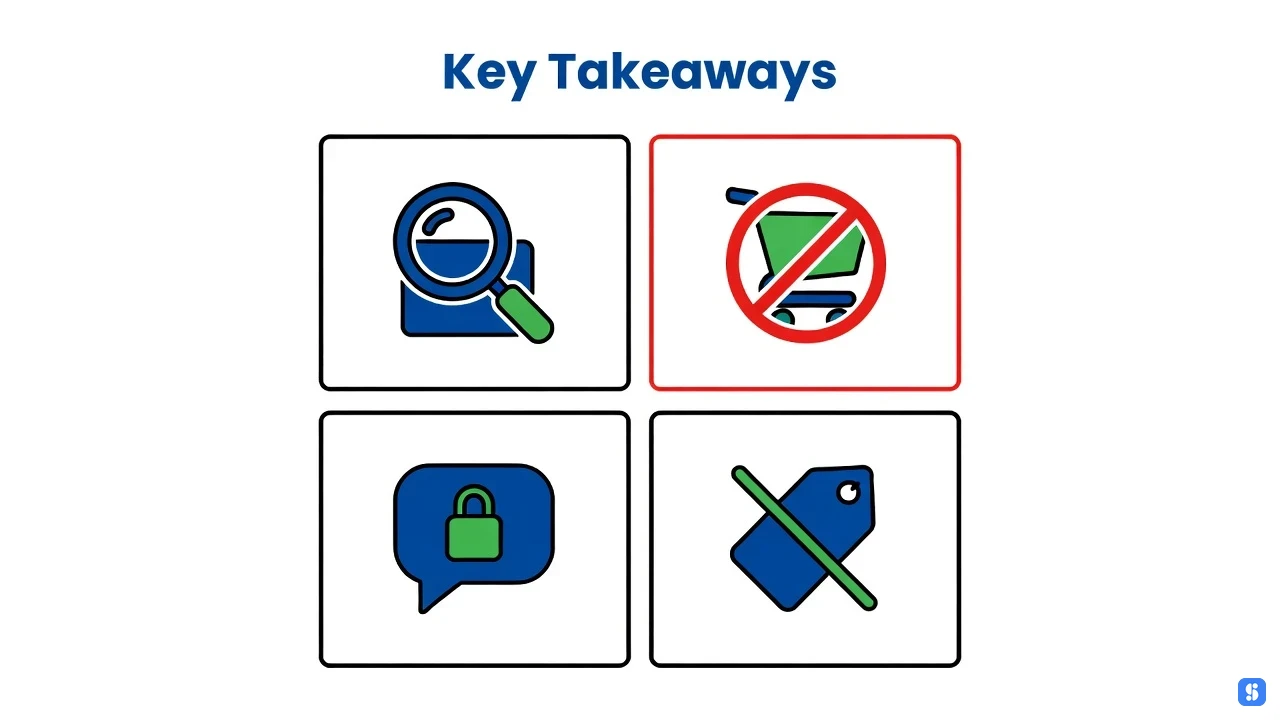
Key Takeaways
Treating Amazon vs Meta Muse: The AI Shopping Agent Battle Has Started as a grudge match is the fastest way to misread it. Amazon blocked the Muse agent from shopping on amazon.com because, it says, the agent did not identify itself and would store customer credentials, which its Conditions of Use prohibit. That is a policy, not a personal fight, and it applies to every agent that tries the same thing.
- Agentic commerce runs on permission, not capability.
- Amazon's own Alexa for Shopping and Buy for Me keep the purchase inside Amazon's walls.
- Brands lose the discovery moment first. The channel loss comes later.
Amazon has pushed back on agentic third-party applications before, so the pattern matters more than the headline. For a sense of what agents already handle on your behalf: Jev For Seo 15 Seo Tasks Ai Agents Can Automate.
What is Meta's Muse AI agent, and why did Amazon block it?
The block is easy to verify. Send a request through Muse and Amazon's pop-up fires before the cart even loads. That pop-up is the whole story of Amazon vs Meta Muse: The AI Shopping Agent Battle Has Started. Amazon's position is that Meta never told it this was coming, never got authorization for the access, and that the agent doesn't identify itself as an agent when it lands on Amazon.com.
Amazon's stated reason for blocking is that the tool will store customer credentials, which it reads as a violation of its Conditions of Use. Meta's answer back: users' passwords and payment details stay invisible to it.
The same fight now hangs over every agentic third-party deal. Amazon wants platforms to respect a service provider's call on who gets to touch a cart and a customer record. This isn't a technical failure. It's a permission fight.
How does Amazon's own AI shopping agent work?
Amazon only lets shopping agents it can watch near a cart. That design rule is why the Amazon vs Meta Muse AI shopping agent fight reads as a measurement problem before a legal one.
Amazon runs two. Alexa for Shopping answers inside the app and hands you a checkout you finish yourself. Buy for Me goes further, buying from another retailer when Amazon doesn't sell the item and keeping the order in your account. Neither one has to store customer credentials anywhere else.
An agentic third party application does the opposite. It logs in as you, holds your password, and completes a checkout Amazon can't see. Amazon's terms say an agent must identify itself and stop capturing credentials. Meta counters that its Muse agent from shopping never exposes your password or payment details to Meta. Both can be true.
The measurement line is what brands miss. Every agent Amazon hosts produces data it can rank, price, and report on. An agent it doesn't host produces none. That's the tension behind SIGIR 2026 work on how generative AI disrupts search: answer surfaces, not ranked links, decide what a buyer sees. Whoever holds the interface holds the attribution, the same instinct behind AI agents that automate SEO tasks.
Amazon isn't blocking competition. It's blocking unmeasured competition.
Amazon vs Meta Muse, side by side
Measure both and the difference stops being about agents. Alexa for Shopping and Buy for Me run inside the account and return order-level data. The Amazon vs Meta Muse standoff is a fight over who gets that data at all.
- Identity. Amazon agent did not identify itself and alleges it stores customer credentials. That is a bot wearing a human's login.
- Consent. Amazon says it was never notified and never authorized access. Meta's rebuttal: Muse cannot see passwords or payment details.
- Data. Amazon's agents return purchase events. Other third-party agentic applications return a sale and nothing else.
The question is not who can automate shopping on amazon com. It is who owns the record afterward. Agentic commerce has that problem in every channel: 15 SEO tasks AI agents can automate only matter if the agent logs them.
What does this standoff mean for e-commerce brands and AI visibility?
Follow the mechanism and the Amazon vs Meta Muse: The AI Shopping Agent Battle Has Started fight makes sense: whoever holds the account holds the customer. Amazon blocks Meta's agent because it won't identify itself or store customer credentials on Amazon's terms, and it enforces that at the shopper's login, not in court. Agentic third party applications that complete purchases on behalf stay gated by Amazon, not the brand.
What that changes:
- Discovery splits. Ranking on shopping on amazon com matters less than being readable and correctly specified for agents.
- Trust is the bottleneck. Shoppers still favor retail-owned agents like Alexa for Shopping over outside ones.
- Product data is the interface. Specs, price, stock, and reviews decide whether an agent recommends you.
Compare that with the SEO tasks AI agents already automate: whoever structures the data wins the recommendation.
Who actually wins the Amazon vs Meta Muse fight?
You do, if you're selling. You pay for this fight either way. Amazon vs Meta Muse: The AI Shopping Agent Battle Has Started, and neither giant is footing the bill. Amazon keeps the customer relationship and the checkout. Meta keeps the ad revenue and the assistant people already talk to.
Here's the part that stings. When the Muse agent acts on behalf of customers and Amazon blocks it from shopping on Amazon, your product vanishes from a surface you never controlled and cannot make better directly. You didn't do anything wrong. You just aren't in the room.
Nobody wins cleanly. Amazon holds the short term by keeping agentic third party applications off its listings, and it has its own Alexa for Shopping to protect. Meta plays a longer game. Until agents identify themselves and stop trying to store customer credentials, expect more blocking.
The durable edge goes to whoever stays findable when an agent searches on someone's behalf. See how AI agents automating SEO tasks changes that work.
Frequently Asked Questions
An AI shopping agent only works if it can reach into a shopper's account, and that requirement drives the whole Amazon vs Meta Muse fight. Here are the recurring questions, answered short.
Does Amazon's block on Muse apply to every AI shopping agent?
No, but the Conditions of Use are broad enough that it could. Amazon blocked Muse specifically, saying Meta's agent didn't identify itself, had no prior authorization, and captured shopper credentials. That reasoning covers any agent signing in on someone else's behalf, and Amazon has already pushed back on Perplexity, Google, and OpenAI.
What is the biggest threat to Amazon here?
Losing the customer relationship. In agentic commerce, whoever runs the interface collects the margin, and the retailer becomes a fulfillment endpoint. That is why Amazon ships its own Alexa for Shopping and Buy for Me: same agent behavior, inside its own walls. Third party applications can plug into the catalog, but once one owns the buying decision, the ad revenue leaks away.
Should brands try to get their products recommended inside agents like Muse?
Yes, though not by pitching the agent. These systems pull from structured product data, review signals, and whatever text the model already trusts about your brand. Clean feeds beat outreach. If your specs disagree between shopping on amazon com and your own product pages, no agent recommends you confidently.
Can small sellers use Amazon's Buy for Me?
Buy for Me is Amazon buying on a shopper's behalf, routed through Amazon's own catalog. Sell there and you are already in the lane. Sell only on your storefront and you are not, until Amazon reaches outside itself. Least interesting corner of the story, and I would not build a plan around it.
How do I check whether AI engines are citing my brand?
Ask the engines directly, on a schedule. Prompt ChatGPT, Gemini, and DeepSeek with the buying questions your customers type, and log whether you appear, which page gets cited, and whether the description is accurate. A spreadsheet holds up at first, but past a dozen prompts it stops scaling. For what else is worth handing off, see our guide to SEO tasks AI agents can automate.
Conclusion
Agentic commerce comes down to a simple trade. The shopper's agent identifies itself, states what it may do, and the retailer decides whether to serve it. Muse didn't identify itself. Amazon blocked it. Meta argued its users' passwords and payment data stayed invisible either way. Strip away the pop-up and that's the whole dispute. Both positions hold up, which is why the Amazon vs Meta Muse: The AI Shopping Agent Battle Has Started argument won't settle soon.
What you actually control is narrower. Can an agent read your product pages and quote them correctly? Structure specs, prices, and comparisons so a machine can lift them clean. The work that earns citations in AI answers is the same work that gets you recommended by an agent later. For the tactical version, start with Jev For Seo 15 Seo Tasks Ai Agents Can Automate.
From our experience
In running Azuqe, we've seen that continuous site audits matter most when findings land where developers already work, so we ship issues to GitHub rather than leaving them in a separate dashboard.
Our on-page crawler behaves like Googlebot, checking canonical tags, meta descriptions, title tags, heading hierarchy, image alt attributes, noindex directives, HTTP status codes, and outlink count, with issues sorted into Critical, Warning, or Info tiers.
Our users consistently want fixes they can act on without a developer, so the Fix Center resolves supported technical SEO issues like meta tags, canonicalization, and indexation, with changes reviewable and mergeable through GitHub.
We've learned that coordinating specialist agents, Scout, Scribe, Medic, Sleuth, Herald, and Sentinel, works better than one general assistant, since each stays focused on keyword analysis, content, technical diagnostics, competitive intel, publishing, or rank and anomaly watching.
One honest limitation we've run into: AI Visibility runs only cover ChatGPT, Gemini, and DeepSeek on Pro and Max plans, even though our marketing shows support for eight engines, and we bill monthly only with no annual or prepay discount, plus the free trial applies just to the first website.