Is SEO Still Relevant in the Era of AI? The short answer
The moment a user could get an answer without clicking a single result, the definition of SEO changed. So is SEO still relevant in the era of AI? Yes, but the mechanics have shifted. Most of it comes back to is SEO still relevant in the era of AI ? Most of it comes back to is SEO still relevant in the era of AI ?.
SEO was never really about Google rankings. It was about being visible where answers actually get assembled. That place is now ChatGPT, Gemini, Perplexity, and the AI overviews Google has baked into its own results. An answer engine will either cite your content or ignore it, and most of that decision happens without you ever touching page one. (related: Azuqe Help, Guides & tutorials)
The fundamentals were always boring, and AI hasn't changed that. Clear content that answers a question directly still wins. Technical health that lets crawlers and AI agents read your site still matters. Genuine authority still decides whether an AI cites you or skips you. (Source: State of SEO in the AI Era)
That is the future of SEO. This guide covers how AI search actually works, what still holds up from classic SEO, what to stop doing, and the practical steps to stay visible across both Google and AI answer engines. (source: AI Is Rewriting the Old Rules of Google Search and SEO)
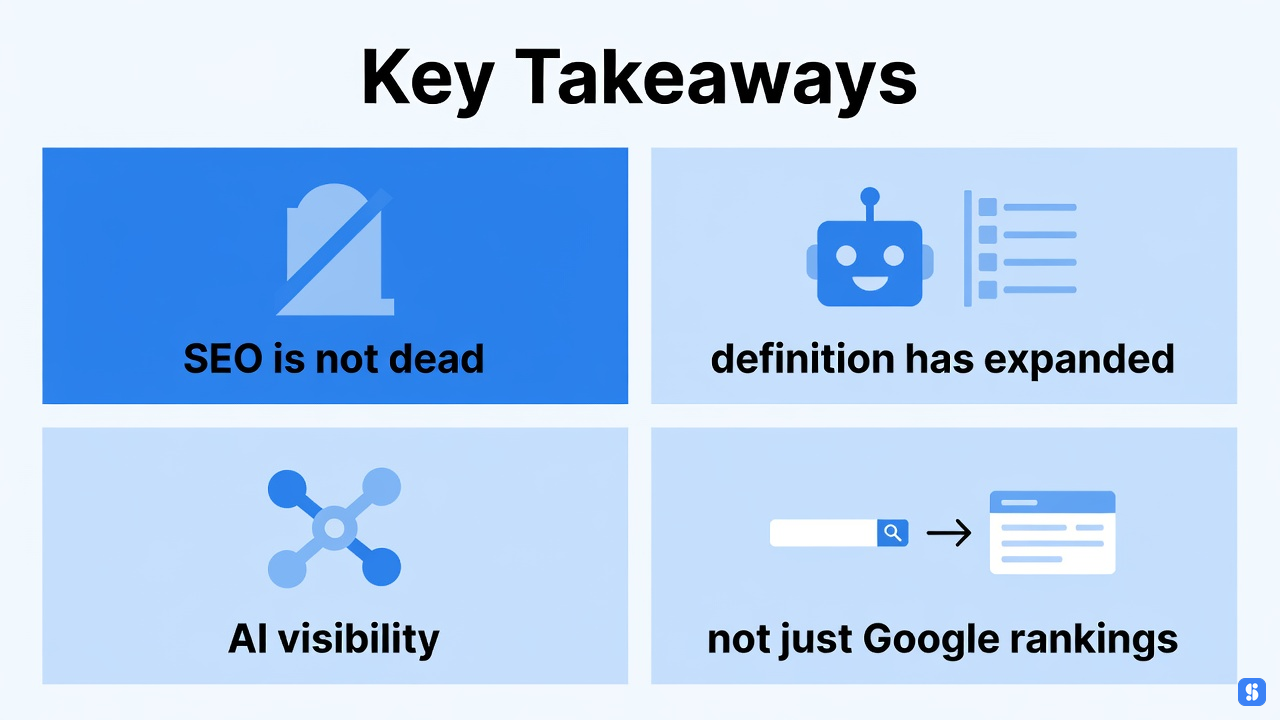
Key Takeaways: what You need to Know Right Now
Start with measurement, because it decides the whole debate. A Google rankings report alone no longer shows your full visibility: AI answer engines absorb a growing share of informational queries and often respond without linking to any source. So the question of whether SEO is still relevant in the era of AI has a frustrating answer. Yes, but only if you expand what you track. (source: Is SEO Still Relevant In The AI Era?)
Keep these points in mind as you read the rest of this guide: (source: SEO in the Age of AI: What Has Changed and What Still ...)
SEO is not dead; the definition has expanded to include AI visibility, not just Google rankings. SEO strategies built only around Google now give a misleading picture of your reach.
AI answers are absorbing informational queries, but transactional and commercial searches still drive significant Google traffic. Protect the pages that actually convert.
Technical SEO and structured data matter more than ever because AI engines rely on clean, crawlable content to cite anything at all.
Content quality and genuine expertise (E-E-A-T) are the primary differentiators in both Google and AI rankings. AI content detection is a real concern, but secondary.
Tools and workflows are changing faster than most teams can adapt. The core job is not to earn attention by being useful.
How AI Search Engines Actually Work (and why They are not Google)
Measure which conversations your content shows up in, not just which links it earns. Traditional search engines work in three stages: crawl, index, rank. They match query keywords against an index of pages and order results by relevance signals.
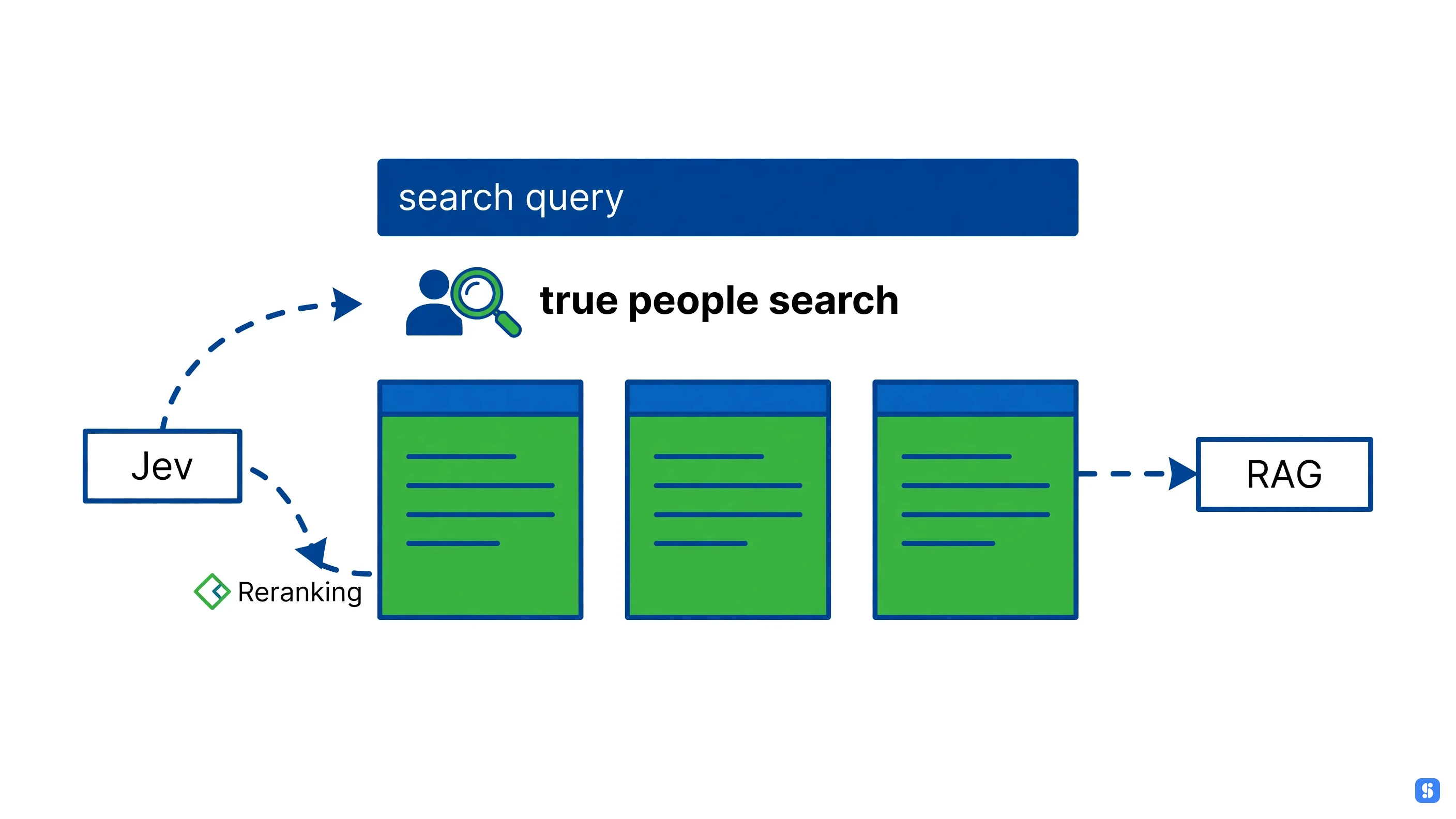
AI answer engines work differently. They use retrieval-augmented generation, or RAG: first retrieve candidate documents from the web, then synthesize a natural-language answer from those documents.
Google's AI Overviews sit on top of the classic SERP and pull from pages Google already trusts. Bing's Copilot and Perplexity lean on RAG pipelines that retrieve, rank, and combine passages across many sources.
The mechanics differ, but the practical consequence is shared: a page no longer needs the #1 spot to win the visit. It needs to be one of the handful of sources an AI model retrieves and cites. Citation rate is becoming the visibility metric that matters.
Structured data helps here. Schema markup, a standardized vocabulary that annotates your page for machines, makes it easier for engines to parse, classify, and trust your content, which raises the odds of retrieval.
So the question of whether SEO is still relevant in the era of AI is really about whether you can still earn those citations.
What has Changed in SEO Since AI Went Mainstream?
The unit of search changed before the tools did. For twenty years, SEO optimized pages for a ranked list of blue links. Now both Google and the AI answer engines people increasingly ask instead parse a query into an intent and return a synthesized answer, not a menu of results. That shift answers the question of whether SEO is still relevant in the era of AI: yes, but the mechanics you optimized before are no longer the point.
The first casualty was informational traffic. "What is" and "how to" queries now get answered inside Google's AI Overviews or a chatbot response, and the click never happens. Zero-click searches became the default for those queries. That hurts direct traffic, but brand awareness still compounds when your name is the cited source in the answer that replaced the click.
The second change: keyword matching gave way to intent matching. Engines reason about the question behind the query, so content that answers the question directly, with structured data marking up entities and relationships, outperforms content that merely repeats the phrase. The practical details, which schema to choose and how to map entities, are covered in Azuqe Help, Guides & tutorials.
The third change: authority changed shape. Backlinks still matter, but fewer, higher-quality links from genuinely authoritative sources now outweigh volume. And engines build entity graphs: they want to know who you are, what you make, and why they should trust you as the source.
Is SEO Still Relevant in 2026? A Look at the Current Scene
The real cost question for 2026 isn't whether you can afford SEO. It's what your budget is actually buying. Google still dominates, but AI answer engines like ChatGPT and Gemini are absorbing a growing share of informational queries- the same queries that used to end in a click. So when someone asks whether SEO is still relevant in the era of AI search, the honest answer is that the fundamentals have not moved. The surface has.
The bigger immediate problem is content saturation. The flood of AI-generated articles means Google has far more pages competing for the same intent, and search engines have gotten pickier about what they index. That affects more than your rankings. It hits your crawl budget: the share of your site a search engine actually crawls. When a site fills with thin AI posts, crawlers waste time on low-value pages and miss the ones that matter. Technical hygiene is no longer a nicety; it's what keeps your real content discoverable.
And here is the part most of the debate skips: AI engines do not browse the open web the way Google does. They pull from indexed web content. If your pages are not in the index, ChatGPT cannot cite you, and no prompt will surface what the crawlers never saw. Traditional SEO is the foundation AI visibility is built on.
None of us knows exactly how this evolves. But the fundamentals- indexing, relevance, technical health- are not going anywhere.
How to Fine-tune your Content for AI Chatbots and Answer Engines
The real cost of ignoring AI answer engines is citations you never receive. When a chatbot can't extract a clean answer from your page, it pulls one from a competitor. Whether SEO is still relevant in the era of AI comes down to this exact mechanic: can an AI model read your content, quote it, and credit you?
AI engines favor content that answers a question in a single, self-contained paragraph. If a reader could lift a sentence from your page and quote it, so can ChatGPT or Gemini.
Start with concise, quotable definitions at the top of each section. Answer first, nuance after. Phrase H2s and H3s as natural questions ("How does X work?") because that mirrors how users prompt AI chatbots, and matched phrasing raises the odds your content gets matched to the query.
Include specific data, named entities, tools, companies, and studies. Vague content gets paraphrased into oblivion; specific content gets cited by name.
Update content on a regular schedule. AI engines favor fresh, current information, and a stale page loses ground to newer sources even if it was the original authority.
You are essentially prompt engineering the AI's extraction layer. Bullet points, lists, and tables make it cheap for the model to isolate and quote your answer. And Google Analytics and Search Console will not show you any of this. Track rankings there all day and you will still miss the citations happening inside ChatGPT.
The Role of Technical SEO and Structured Data in AI Search
AI engines don't read your site the way people do. They parse HTML, follow links, and extract meaning from structure, which means the boring technical layer of SEO matters more than ever. If your markup is messy or your pages are slow, AI models simply have less reliable material to cite, and that directly affects whether you appear in answers at all. Schema markup is the clearest signal you can send. Article, FAQ, HowTo, and Organization schemas tell AI engines what a page actually is, saving them from guessing. A properly marked-up FAQ page, for instance, gives answer engines ready-made Q&A pairs they can lift directly. The frequently asked questions format works because it mirrors how these models structure responses. Technical health still comes down to fundamentals: site speed, mobile-friendliness, XML sitemaps, and internal linking. None of this changed when AI entered the picture. What did change is the cost of ignoring it. If your site is bloated with low-value AI-generated pages, you burn crawl budget, and search engines may de-prioritize your genuinely useful content in favor of pages that load faster and link more cleanly. Run a technical audit monthly, not quarterly. Catch broken schema, orphaned pages, and slow Core Web Vitals before they compound. The unglamorous truth is that AI engines reward the same clean, crawlable architecture Google always did. So yes, is SEO still relevant in the era of AI? Only if you keep the technical foundation solid enough for the AI to find you in the first place.
What still works in SEO? The fundamentals that AI has not Changed
Track enough rankings long enough, and you notice something: the fundamentals have not budged. Whether SEO is still relevant in the era of AI keeps circling back to the same boring answer: yes, because both Google and AI answer engines reward content that serves user intent better than the alternatives. Most AI SEO advice is overcomplicated. The simple version wins more often.
Google's E-E-A-T framework (Experience, Expertise, Authoritativeness, Trustworthiness) matters more now, not less, because large language models synthesize answers from sources they can verify as credible. Backlinks from authoritative, relevant sites still act as a trust signal; AI engines treat them much the way Google always has. Brand mentions and digital PR build entity recognition. When reputable places talk about you, the engine can map who you are and cite you accordingly.
And the unglamorous part: a fast site, clear navigation, no broken links, proper metadata. These win more than people admit, because both Google and AI systems need crawlability to even find the content you are proud of.
So if you are asking whether traditional engine optimization is dead, the honest answer is no. It got quieter and harder to measure in the short term, but it did not change the fundamentals.
Common mistakes to avoid when adapting to AI Search
Most teams adapt to AI search in the same broken sequence: they hear about a new AI feature, panic, and rewrite their entire content strategy around it. That instinct is understandable, but it is also why the question "Is SEO still relevant in the era of AI?" keeps surfacing. The teams that answer the question wrong usually make one of five predictable mistakes.
Chasing every AI trend and abandoning SEO fundamentals. AI Overviews get announced, someone declares keywords dead, and a month of work gets thrown out. The fundamentals still matter: clear structure, genuine expertise, fast pages, links from sites people trust. Keep those and you can experiment with AI without losing your base.
Publishing mass-produced AI content without human review. Low-value pages waste crawl budget and dilute your brand. Use AI to draft, then have a human who knows the subject add judgment, fix errors, and cut anything that says nothing.
Ignoring structured data because it feels technical. Schema markup, the structured data format that machines read, is a direct signal for AI engines. You do not need to master it, but you need to use it.
Focusing only on Google. ChatGPT and Perplexity answer questions without showing a traditional results page. Check how your brand appears in their responses with the same care you give Google rankings.
Obsessing over AI content detection tools. They are notoriously unreliable and they measure the wrong thing. Whether a machine wrote the draft matters less than whether the final page is genuinely useful. Publish for humans, not detectors.
How to Track your AI Visibility and Measure what Matters
Your Google rank tracker is still useful, but it is no longer the only metric that answers whether SEO is still relevant in the era of AI. What matters now is citation rate: how often ChatGPT, Gemini, or DeepSeek name your brand or reference your content inside a generated answer. A top-three Google position means little when the AI engine your customer asks first quotes a competitor instead.
Measuring this is simpler than the tooling industry wants you to admit. Start manual: collect the 10 to 20 core questions your audience actually asks, run them through the major AI engines in fresh sessions, and record whether your brand gets mentioned. Do the same set weekly and you have a baseline. Dedicated platforms automate this across more queries and engines, but the manual pass teaches you how citations actually behave, which makes the automated numbers easier to interpret.
Track ChatGPT, Gemini, and at least one smaller engine; citation patterns differ wildly across them. Schema markup remains your best technical lever for making pages machine-readable, even though AI engines draw on it differently than Google does.
Build the habit of reviewing AI visibility trends the way you used to review rankings. If your customers are asking these engines where to buy, being cited there is the new first page.
The real cost of skipping SEO is not the budget you reclaim; it is the visibility you lose across Google, ChatGPT, Gemini, and every other answer engine a buyer consults.
Is SEO still relevant in the era of AI? Yes, but the job has expanded from Google-only rankings to multi-engine visibility.
Is SEO still relevant in 2026? Yes, because AI engines pull their answers from indexed web content, so the fundamentals matter more, not less.
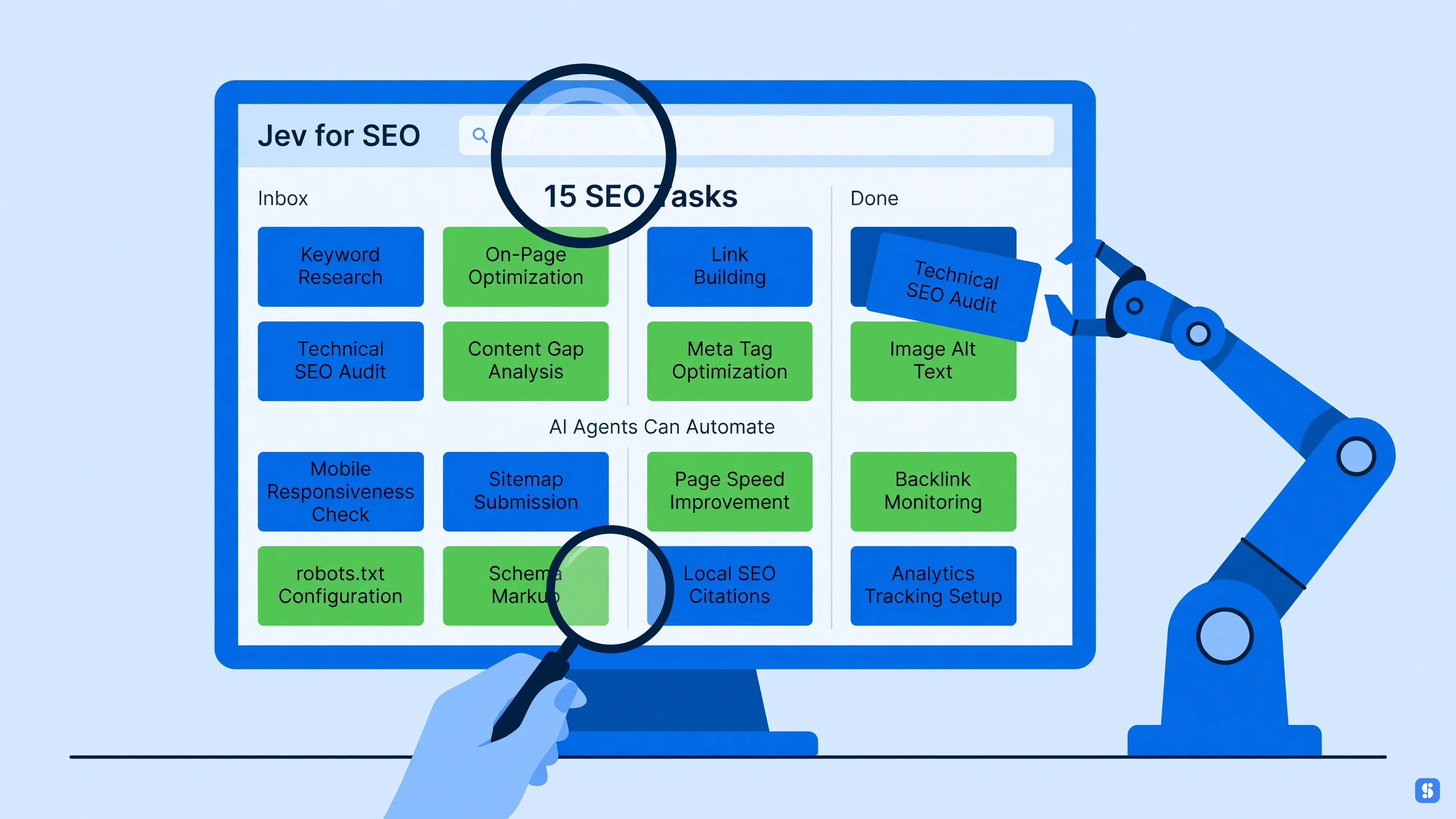
Can SEO be replaced by AI? No. AI can automate audits, drafts, and technical fixes, but it cannot replace the strategic judgment, brand-building, and editorial taste that rankings still require.
What is AI SEO called now? Most teams call it AI visibility optimization or AEO, short for Answer Engine Optimization. Older tactics such as AMP SEO have mostly faded, but the speed and structured-content lessons behind them still influence rankings in both Google and AI engines.
Conclusion: the Boring Truth about SEO in the AI Era
The simplest definition of working SEO in 2026 is boring: content that answers a question directly, a clean technical foundation, and authority you actually earned. Ten years ago you could fake parts of that. Today, answer engines are built to reward clarity and evidence, not keyword density.
So is SEO still relevant in the era of AI? Yes, but only because it is harder to fake now. The unglamorous approach wins: write plainly, mark up pages with structured data, earn real citations, and measure your visibility consistently.
Start with the obvious steps. Audit your content for direct answers, add structured data where it is missing, and track how often AI engines cite your brand. Do that for a quarter and the rest becomes clear.
The brands that win treat AI visibility as a core part of SEO, not a separate trend. The ones that lose treat it as a side project. The choice was never that complicated.
From our experience
In running Azuqe, we've seen that tracking where your brand gets cited across ChatGPT, Gemini, and DeepSeek, with per-run prompts and citation scoring, gives a clearer picture of AI-driven visibility than classic SERP checks alone.
Our unified SEO & AI Visibility Score combines traditional Google rankings with AI citation metrics into one number per page or domain, which helps our users spot where they're losing ground to AI answer engines.
Continuous site audits, checking canonical tags, meta descriptions, heading hierarchy, and PageSpeed metrics like LCP and INP, surface issues that directly impact both Google and AI search visibility, and our Fix Center resolves many of them without a developer.
One honest limitation: our AI Visibility runs only cover ChatGPT, Gemini, and DeepSeek on Pro/Max plans, even though our marketing lists eight engines, so users expecting Claude or Perplexity tracking on lower tiers will be disappointed.
We also only offer monthly billing with no annual discount, and the free trial applies just to your first website, which can feel restrictive if you manage multiple domains.