What is AI Visibility Tracking and why It Matters Now
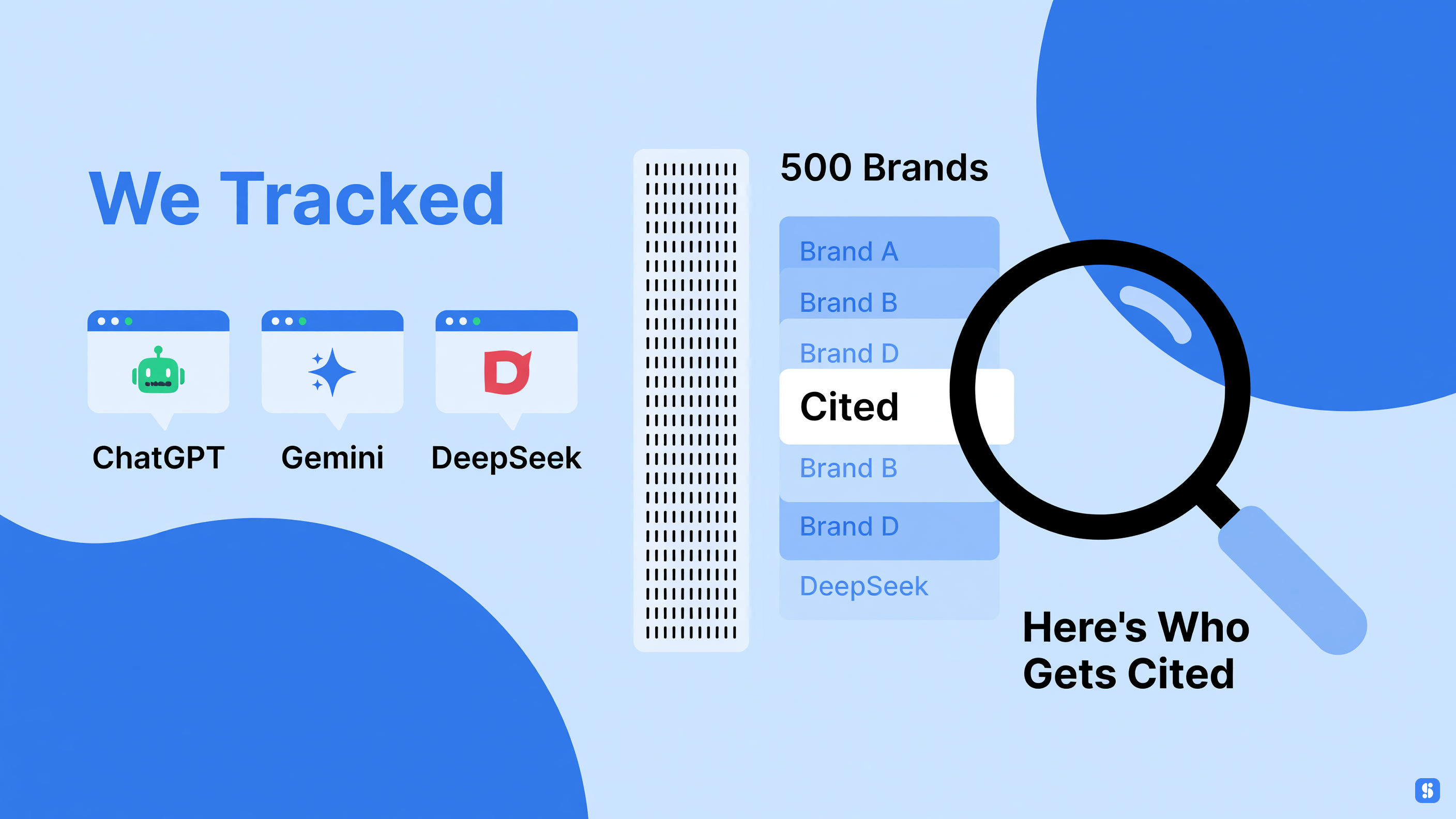
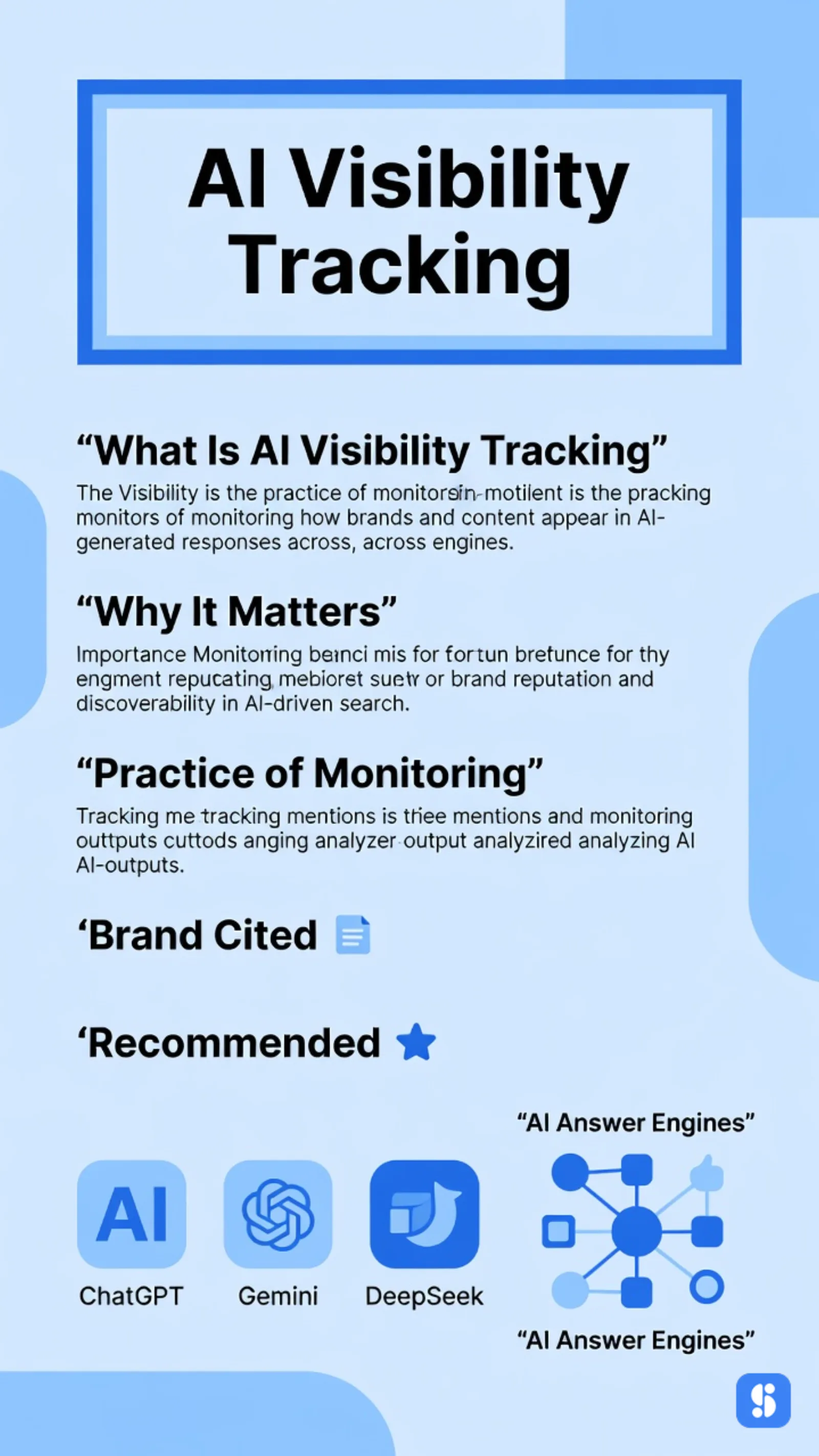
AI Visibility Tracking measures how often and how favorably AI engines like ChatGPT, Gemini, and DeepSeek name your brand. Classic SEO asks where you rank on Google. AI visibility asks who gets the nod when an AI assistant recommends: your brand or a competitor.
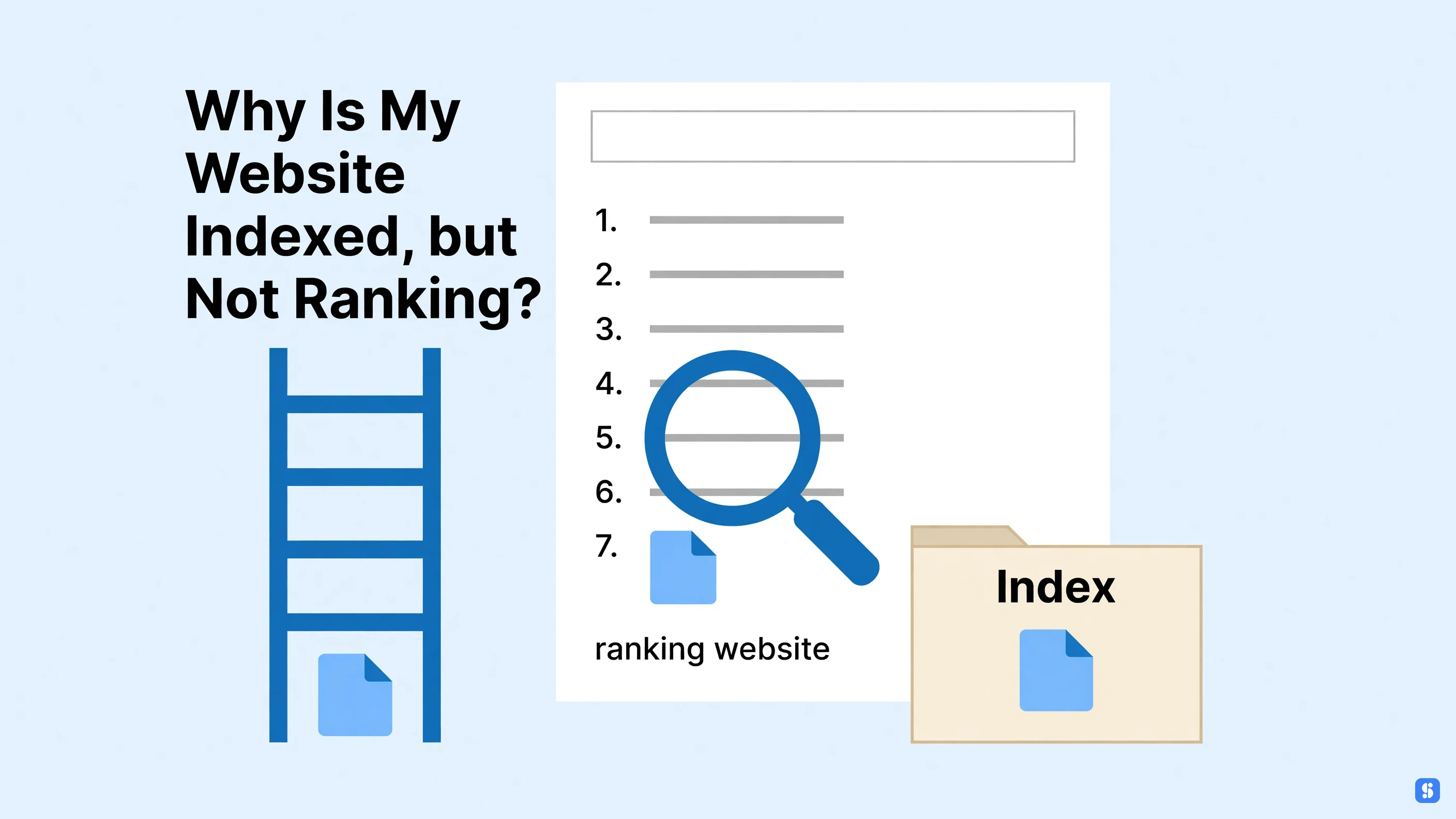
Traditional rankings put you among ten blue links. AI answers compress that to one named source, sometimes two or three. Not being cited means invisibility to a growing share of buyers. (see Azuqe)
The shift from Google-only rankings to AI answer engines
Search behavior is splitting. More product research and vendor comparisons now start in ChatGPT or Gemini, not Google. Visibility tools must track both surfaces, or you are flying blind on half the journey. (source: The 8 best AI visibility)
That's why the unified SEO & AI Visibility Score exists. (see Azuqe vs Moz, Compare SEO suite)
How AI Visibility Tracking works under the Hood
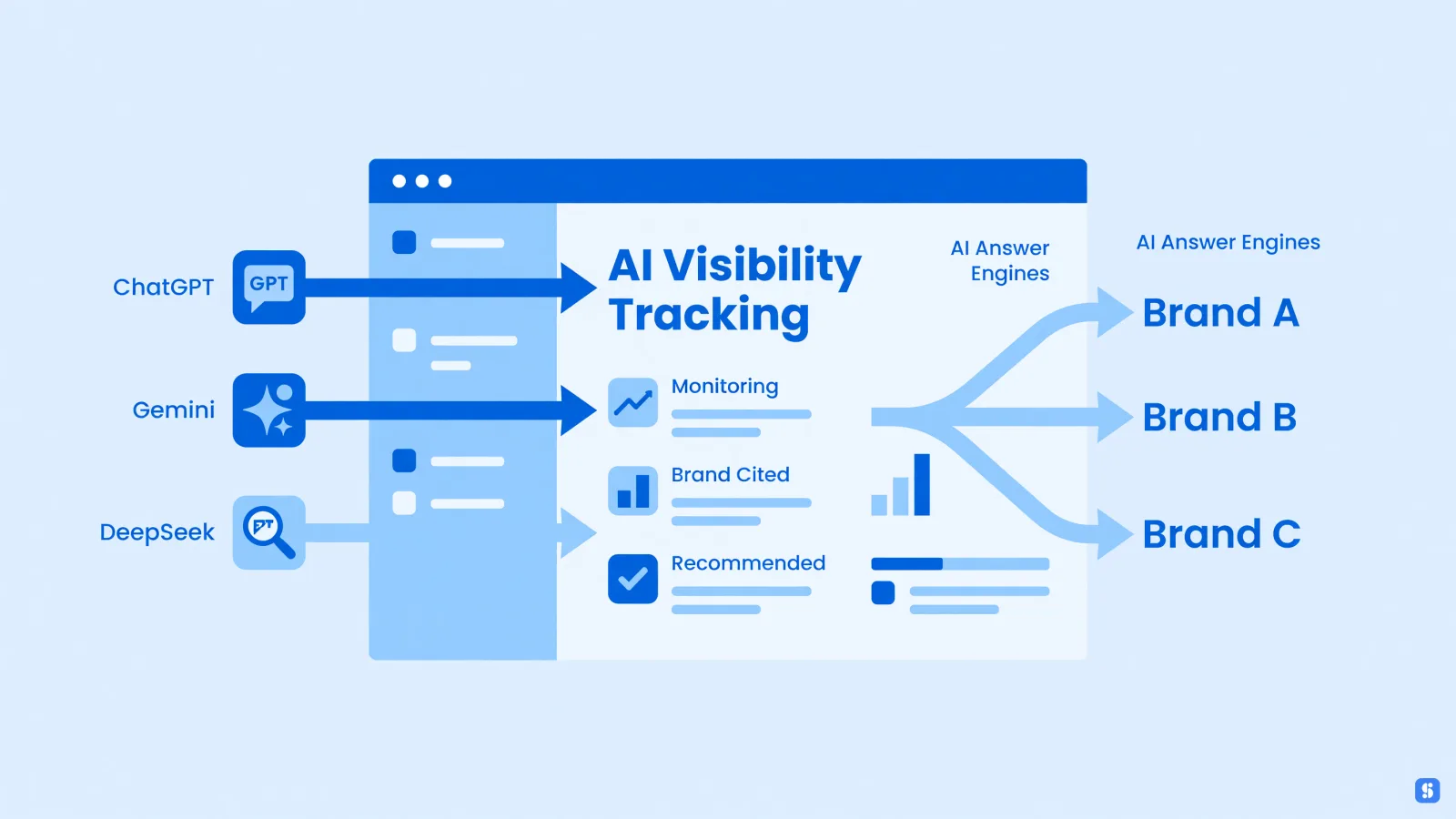
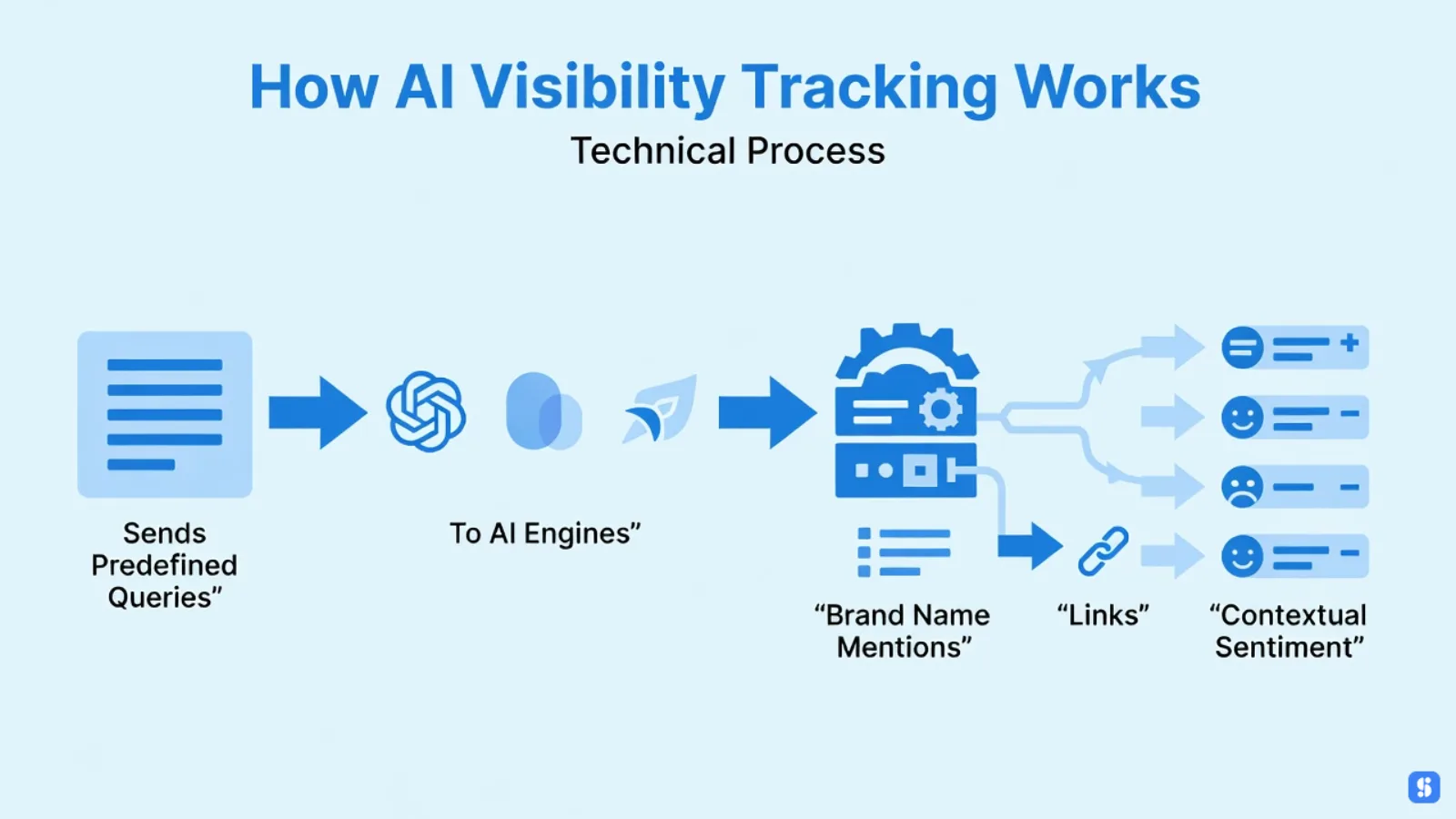
AI Visibility Tracking works by sending a fixed set of predefined queries to answer engines and parsing what comes back for mentions of your brand. The tool fires those queries at ChatGPT, Gemini, and DeepSeek, then reads responses for brand name mentions, links, and the context around each mention. A link buried in a "here are ten options" list is not the same as a brand being recommended in the opening answer. (source: The Best AI Visibility Tracking Tools)
The mechanics of querying AI engines for brand mentions
Each visibility run is a snapshot, not a trend. It captures what one model returned, at one moment, for one query set. Because answers vary between runs, regular runs separate signal from noise. Run monthly and you are guessing. Run weekly, and you can see whether content changes are moving brand visibility. (see Azuqe vs Semrush, Compare SEO suite)
Definition of AI Visibility Tracking
What a citation run actually measures
A citation run measures three things: presence, prominence, and sentiment. Presence is whether the brand appears at all. Prominence is where it shows up and whether it is cited with a source link. Sentiment comes from parsing the surrounding language: recommended versus merely tolerated. (source: AI Search Visibility Tool: Improve)
Normalizing data across different AI models
The hard part is normalization. ChatGPT structures answers differently from Gemini, and DeepSeek does its own thing. Scoring must be standardized across models, or the dashboard is meaningless. Azuqe's AI Visibility Tracking handles this by mapping each model's response structure to a common scoring framework, with up to 12 visibility runs per month on the SEO Max plan.
Know the limits: AI models update frequently, so day-to-day variance is normal. What matters is the direction over time, not the number on any single day. (see Azuqe vs Ahrefs, Compare SEO & backlinks)
What Metrics should You Track for AI Visibility?
Traditional SEO gives you keyword position and click-through rate. AI Visibility Tracking asks a different question: when an AI engine answers a question your customer actually asked, do you show up at all? The metrics differ, but they point at the same outcome: future organic traffic. (source: The Best AI Visibility Tracking)
Share of voice in AI answers
Count how often your brand appears across the prompts and answer engines you care about, then do the same for your competitors in the same run. Share of voice is your brand mention count divided by total mentions in that response set. A competitor gaining ground here is your earliest warning that they are winning the AI conversation before it hits Google rankings. (see Azuqe vs Surfer SEO, Compare Content optimization)
Citation sentiment and context
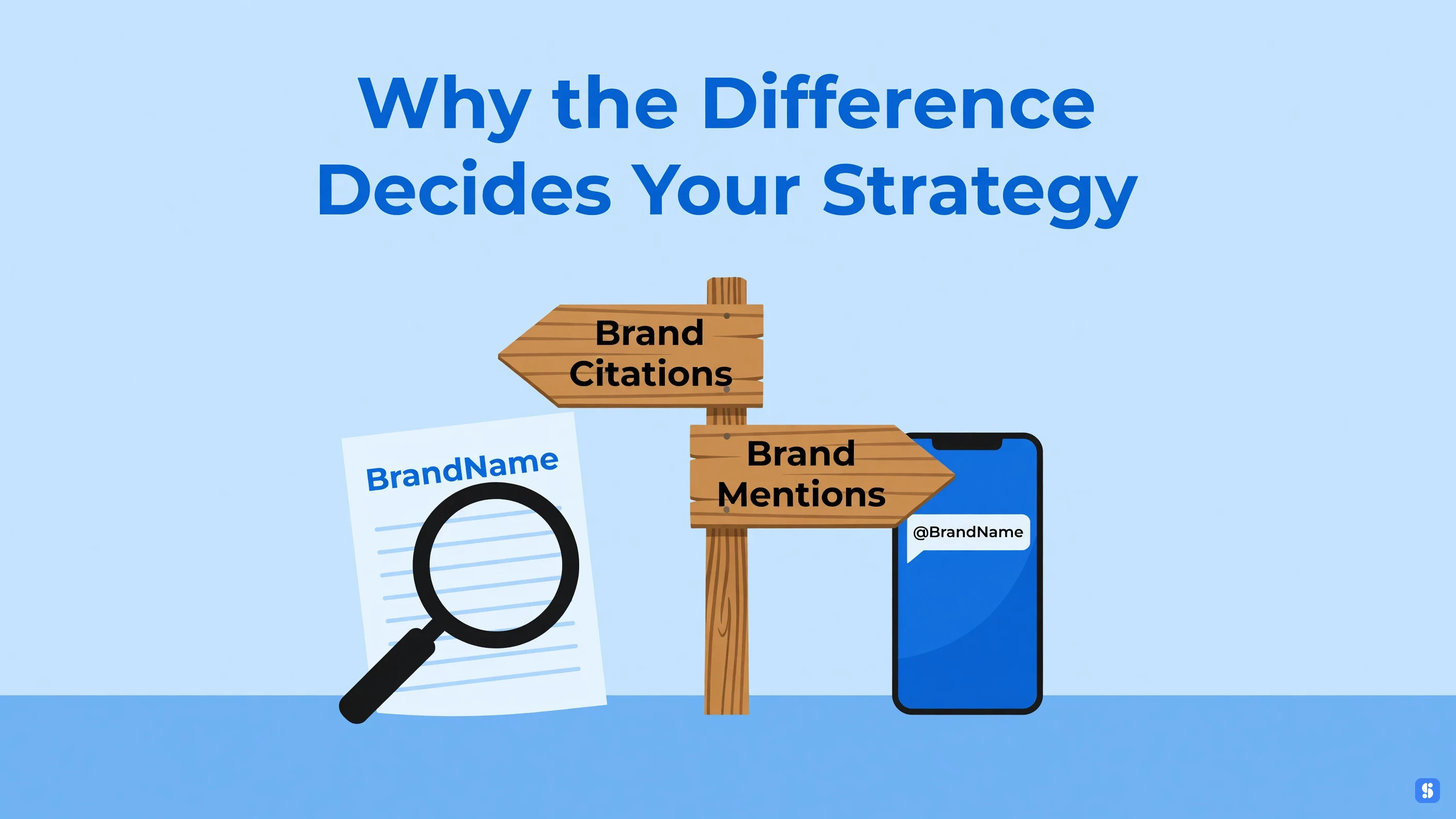
A mention is not a citation. You need to know whether the AI recommends you favorably, mentions you neutrally, or surfaces you next to a complaint. Read the surrounding text of every mention, because citation sentiment tells you whether the visibility is working or just registering on a dashboard. (source: 22 Best AI Search Rank Tracking &)
Technical process of AI visibility tracking
Source attribution: are you the named source or just mentioned?
This is the metric most tracking tools get wrong. A direct citation with a link is stronger than a bare mention, but a mention without a link still builds brand awareness inside the answer. Track both separately. (see Auto Indexing)
Our Citation Ranking Dashboard groups all of this into one view: mention count, share of voice versus competitors, citation sentiment, and whether the AI links to you or just names you. You see visibility data for ChatGPT, Gemini, and DeepSeek side by side, then compare it against your Google positions. And the two move together over time, so you are not running two separate strategies.
How to Measure AI Visibility: A Step-by-Step Process
AI Visibility Tracking follows one principle: measure before you change, then measure again on a fixed schedule. Without a baseline, your improvements are just vibes. (see Azuqe for Solopreneurs, DIY AI SEO)
Step 1: Define your query set
Build 20 to 50 queries your customers actually type into ChatGPT or Gemini, drawn from keyword research and support logs, not guesses. If support keeps hearing "does X integrate with Y," that belongs on your scorecard.
Step 2: Run your first baseline measurement
Run a baseline before changing anything. In Azuqe, an AI visibility run checks where your brand appears in ChatGPT overviews, Gemini answers, and other LLM responses for each query. Gaps show what content is missing.
Step 3: Set a cadence for ongoing tracking
Go weekly for fast-moving industries, monthly for stable niches. Azuqe's Max plan caps AI visibility runs at 12 per month, so split your query set into batches or prioritize the ones that shift fastest.
Step 4: Analyze the data against your SEO score
Compare AI visibility against your Google rankings. A page can rank #1 in Google yet be absent from AI answers, which signals a content gap, not a ranking problem. Visibility tracking tools often show one channel only. A unified view across both tells you what to write next.
The best AI Visibility tools: what to Look for
Most AI visibility tracking tools are overpriced keyword trackers. The tools that actually help you act on the data are rare.
Core features that matter
The non-negotiables: multi-engine support (ChatGPT, Gemini, Perplexity, DeepSeek, not just one), scheduled runs for trends instead of one-off snapshots, competitor benchmarking for brand mentions, and integration with your traditional SEO data. AI answers shift constantly, so a single snapshot is not measuring visibility, it is measuring a moment.
Where most tools fall short
The market's biggest problem is fragmentation. Many tools track one engine reliably and ignore the rest. Worse, they hand you data with no clear next step. You find out your brand is invisible in ChatGPT but have zero guidance on what to fix. Data without action is just anxiety with a dashboard.
Where Azuqe stands
Azuqe's differentiator is the unified score that combines Google rankings with AI citations, so you are not juggling separate dashboards. And it connects AI visibility to technical SEO through the Fix Center, which resolves the issues behind lost rankings. The score tells you where you stand; the Fix Center tells you what to do next.
Some competitors ship better UI polish or cheaper entry points. If all you need is a quick snapshot, those work fine. But integration matters more than aesthetics. Azuqe, AI Audits, Keyword Research & AI Visibility Tracking puts the data and the fix in one workspace. A pretty dashboard that covers one engine cannot do that.
How to Track your Brand in ChatGPT Specifically
The first rule of tracking ChatGPT: the answer changes with the question. Ask "what are the best SEO tools" and you get one list. Ask "what does your brand do well" and you get another. So any meaningful AI Visibility Tracking setup starts with a fixed query set you run consistently. Same prompts, same cadence. Otherwise the data is noise.
Crafting prompts that surface your brand
Build your prompt set around real user questions, not brand-name queries. "Who are the top AI visibility tools?" surfaces your brand if it gets mentioned. "What is LLM visibility?" surfaces you if you define the category. Both matter, but they measure different things. Your monitoring tool should let you save and rerun these exact prompts so each run stays comparable.
Interpreting the answers you get
The critical distinction is citation versus paraphrase. If ChatGPT cites your blog post as a source, that's a strong signal your content is structured for AI extraction: clear headings, quotable definitions, clean HTML. If it paraphrases your ideas without citing you, the information reached the model but attribution got lost. Track both, but treat citations as the stronger signal.
Using the data to feed back into content briefs
This is where LLM visibility stops being a report and becomes a content input. When a piece gets cited, study its structure. When it gets paraphrased without credit, that's a brief for a rewrite. Azuqe's content briefs are designed around this exact loop, producing articles that answer questions directly so AI engines can cite them.
How to Improve your AI Visibility: Tactics that work
To improve your AI visibility, stop treating ChatGPT or Gemini as search engine extensions. They are a distinct channel with their own rules. AI Visibility Tracking tells you where you stand today, but these three tactics are what actually move your citation rate.
Tactic 1: Structure content for AI extraction
AI engines favor content that is easy to parse. Write clear, factual, well-structured pages with direct answers to common questions. Use plain headers, short paragraphs, and bulleted lists where they naturally fit. If a customer cannot quickly find "how much does this cost" on your page, neither can an AI model.
This is unglamorous work, but it is the cheapest win you will get. You already own the pages. Refresh them with direct answers, not fluff.
Tactic 2: Earn citations from authoritative sources
AI models are trained on high-authority content, so backlinks still matter. Earning a mention from a respected industry site signals credibility to answer engines. Focus on digital PR, expert roundups, and directories where your customers actually look.
A good visibility tracker shows where you are already quoted and where competitors keep appearing. Use that data to double down on the sources that actually move your presence.
Tactic 3: Fix technical issues that block AI crawlers
AI crawlers may skip sites with poor technical health. Broken internal links, slow pages, and blocked resources all hurt your chances of being cited. You do not need a developer to chase these down. Azuqe's Continuous Site Audits and Automatic Fix Center surface the issues and let you resolve them directly from the dashboard.
Improving AI visibility is not a one-off task. It requires ongoing monitoring and iteration. Run audits, refresh content, and keep earning citations. The companies that stay visible treat this as a system, not a sprint. An Azuqe visibility tracker gives you the baseline, but the discipline is yours.
AI Visibility vs. Traditional SEO: What's the Real difference?
Traditional SEO and AI Visibility Tracking make better for different things. SEO targets a search engine's ranking algorithm; AI visibility targets how a language model selects, synthesizes, and cites sources when generating an answer.
The two diverge more than most teams expect. A page can rank #1 in Google and never appear in ChatGPT's response because the model prefers a more authoritative, recently updated, or more citable source. That is not a bug; it is a different selection mechanism that rewards different key capabilities: citation-friendly formatting, consistent brand mentions, and direct answers.
Why rankings and citations diverge
Google ranks pages; language models recommend sources. A Q&A format might win a Gemini citation while a longer pillar page wins the Google snippet. You need to know which one you are winning.
How to use both data sets together
Treat them as complementary, not competing. Google data shows SERP rankings; AI visibility data shows which prompts and conversations cite your brand. You need both to capture traffic from every entry point, and Azuqe's Unified SEO & AI Visibility Score tracks both in one dashboard.
Ignoring AI visibility while focusing only on Google is a strategic mistake. Brands tracking both early won't play catch-up later.
Common mistakes in AI Visibility Tracking
Most teams I talk to are doing AI Visibility Tracking wrong, and the errors are predictable. The good news is they're all fixable once you know what to look for.
Tracking brand mentions instead of customer queries
The biggest mistake is only tracking queries that include your brand name. That tells you if people already know you exist, which is the least useful data you can collect. The real signal lives in category and problem-based queries where your competitors show up instead of you.
If someone asks ChatGPT for "best project management tool for remote teams" and you never appear, that's a lost opportunity. Track those queries. That's where the growth is.
Measuring too infrequently to see trends
Running a measurement once and treating it as a permanent score is a trap. AI models change constantly. What answered a query in January may not answer it in March. Regular runs are essential, and monthly is the bare minimum. Weekly is better if you're actively optimizing.
Without consistent measurement, you can't tell whether a change in visibility came from your content improvements or from an upstream model update.
Ignoring the context of the citation
Getting mentioned feels great. But celebrating a mention without checking the context is how you miss the real story. Is the AI recommending you positively, or is it citing you as a cautionary example? Does it link to your site, or is it just name-dropping you in generated answers without a source?
A mention without a link is a fraction of the value of a mention with one.
Not tying data back to action
The last mistake is treating AI visibility data as a report card instead of a diagnostic tool. If you're not feeding those insights back into your content strategy or your technical fixes, you're just collecting numbers. Every visibility gap should point to a specific piece of content to create or a technical issue to resolve.
Track the query, find the gap, fix the content, measure again. That loop is the entire game.
Troubleshooting: why your AI Visibility Isn't Improving
If your AI Visibility Tracking numbers haven't budged in weeks, the tool isn't the problem. The problem is almost always content structure, technical SEO, or authority.
Your content isn't structured for AI extraction
AI models pull answers from content they can parse quickly. Dense prose blocks them. Use descriptive headings, put a direct answer in the first paragraph, and back claims with specific facts. Bullet lists, tables, and FAQ blocks all help. If a reader can't skim your page for the answer in under ten seconds, neither can an LLM.
Your technical SEO is blocking crawlers
AI engines crawl your site just like Google. If they can't reach your content, they can't cite it. Run a technical audit to check for blocked robots.txt files, stale sitemaps, or broken schema markup. Azuqe runs Continuous Site Audits to surface these problems, and the Fix Center resolves many of them automatically. This is where traditional SEO and AI visibility overlap: the same technical foundations feed both.
Your authority is too low for AI to trust you
LLMs favor sources they recognize as legitimate. If your domain has few backlinks or citations from high-authority sites, the model will pick a more established competitor. Build authority gradually through digital PR, guest posts, and citations from trusted domains. It compounds over time.
Be patient. AI visibility changes are not instant. It can take weeks or months for AI engines to re-index your content and adjust how they cite you. Track the trend, not the daily number.
Trends in AI Visibility Tracking You should Watch
AI visibility tracking is moving faster than most marketing teams realize, and the gap between early adopters and everyone else is widening. Three shifts are defining where this space is heading.
The rise of multi-engine tracking
Tracking ChatGPT alone is no longer enough. Gemini, DeepSeek, and Perplexity each surface different sources for the same query, and your brand can be cited in one and invisible in another. Tools are expanding coverage beyond a single model, but each engine has its own quirks. What earns a citation in ChatGPT does not automatically earn one in Gemini. Teams that track multiple engines now will spot those differences before their competitors do.
The shift from keyword rankings to source attribution
The question is changing from "where do I rank?" to "who does the AI cite as the source?" Source attribution is becoming the new backlink. It is not enough to know your brand was mentioned; you need to know whether the AI pulled from your site directly or from a third party that referenced you. That distinction determines whether your content strategy is working or you are riding on someone else's authority. Most visibility toolkits are still built around keyword positions, and that is increasingly the wrong frame.
The growing importance of real-time data
AI models update more frequently than they used to, which makes real-time tracking more feasible. But it is still expensive and noisy. Daily runs catch shifts that weekly runs miss, yet they also surface fluctuations that are just random variation. The teams that win will track often enough to see trends without overreacting to every blip.
Adopting AI visibility tracking now, before it becomes table stakes, is the kind of advantage that compounds. The teams that wait will be playing catch-up while early movers have already learned which signals actually matter.
How to build a Weekly AI Visibility Tracking Routine
Most teams treat AI visibility tracking as a one-off audit. That's the wrong mental model. It's a recurring habit with three steps: set up your dashboard, schedule runs and alerts, then review results with the people who can act on them.
Setting up your dashboard
Put your core query sets in one place first: the five to ten prompts your buyers actually type into ChatGPT or Gemini, with competitor benchmarks beside them.
Every run should show where you appear and who took your spot when you didn't. That's table stakes for any decent LLM monitoring tool. If your dashboard can't hold this in one view, it won't survive a busy month.
Scheduling runs and alerts
Schedule weekly runs if you can, monthly if that's what sticks. Set alerts for significant changes inside Azuqe, and make sure one person owns the response. A citation disappearing from a key AI answer matters more than a tenth-position shift on page two of Google. Weigh alerts accordingly.
Reviewing results with your team
Review the data with your content and SEO teams. Three questions drive the meeting: what to update, what to fix, and what to create. A competitor cited in a prompt you own on Google? That's content to create. A page dropped out of an AI answer? Update it or fix the technical issue underneath.
Azuqe's Citation Ranking Dashboard handles this exact loop, tracking citations across ChatGPT, Gemini, and DeepSeek in one screen. Pick a rhythm you can sustain. A monthly run you actually do beats an elaborate weekly system you abandon by February.
Editorial Team, Content Strategist at Azuqe. We write about AI visibility and SEO for marketing teams shipping real work. Last updated: 2025-12-08
Frequently Asked questions
What is AI visibility tracking?
AI visibility tracking is the practice of monitoring how often and how favorably a brand appears in AI-generated answers from engines like ChatGPT, Gemini, and DeepSeek. It measures whether AI systems cite your content, which engines surface you, and how the response frames your brand. Sentiment analysis and source attribution show whether mentions are positive and where they come from.
Are there free AI visibility tools?
Some tools offer limited free tiers, but they usually track only one engine or provide historical data without real-time updates. Since AI answers change constantly, serious multi-engine tracking requires a paid tool. Most platforms, including Azuqe, offer a free trial so you can validate the data before committing.
How long does it take to see results from AI visibility tracking?
It depends on your current authority and content quality. Most users see initial data immediately once tracking is set up, but meaningful changes in visibility take weeks to months. AI engines pull from indexed content, so improving citation rates requires publishing fresh, citable material and fixing technical issues that block crawling.
Key Takeaways
AI Visibility Tracking complements SEO rather than replacing it. It measures how AI engines cite your brand, and it works best when folded into the SEO work you're already doing. Teams that get this right track brand visibility across both Google and AI answer engines, then use that signal to guide content and technical fixes.
Track customer queries, not just brand mentions. A mention shows people talking about you; a query shows whether your brand appears when a customer is actually looking for what you sell. The second is the realistic picture.
Keep data in one place. A unified SEO and AI visibility score combining Google rankings with AI citations prevents siloed reporting and conflicting dashboards. Then fix what hurts you: technical issues that block extraction, and content not structured for AI engines to parse. Both improve your chances of being cited.
Set a baseline and a regular cadence. Consistency beats intensity when you track brand visibility over time.
From our experience
In running Azuqe, we've watched clients' organic traffic dip as ChatGPT and Gemini answers pull clicks away from classic Google results, our unified AI Visibility score finally shows that split in one number instead of guessing across five dashboards.
We've seen the Citation Ranking Dashboard catch a brand mention inside a DeepSeek answer that never appeared in Google Search Console, which is exactly the kind of blind spot that manual tracking misses.
One honest limitation: our AI Visibility runs only cover ChatGPT, Gemini, and DeepSeek on Pro/Max plans, even though our marketing lists eight engines, so if you rely on Claude or Perplexity, you'll need to wait for that coverage.
Continuous Site Audits have saved our users from dozens of crawl-blocking robots.txt mistakes and broken schema, but the Fix Center only auto-resolves technical issues, it won't build backlinks for you, which remains a manual grind.
Pairing the unified SEO & AI Visibility score with keyword ranking tracking gives a clearer picture than any single tool, yet monthly-only billing means you can't lock in a discount for annual commitment, a tradeoff we're upfront about.