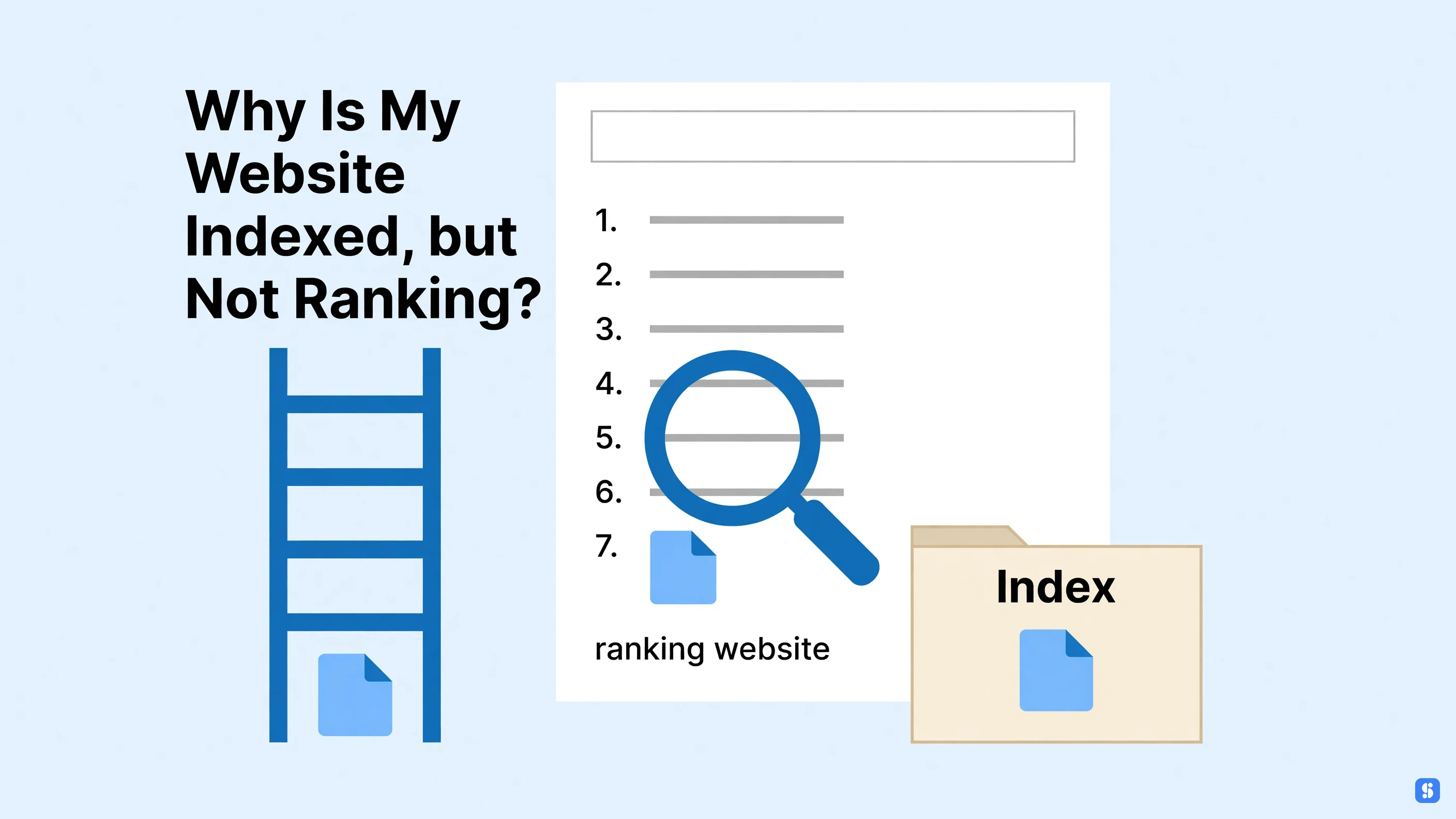
There is no ranking inside ChatGPT.
That sounds like a technicality and it is the most useful thing on this page. There is no position 3, no list you can climb, and no place where your URL sits above somebody else's. There is a paragraph, and your brand is either in the sentence or it is not, and whether it is changes between one asking and the next.
Once you stop looking for a rank, the actual job gets clear.
What ranking on ChatGPT really means
The thing you can move is a probability. Your appearance rate is the share of times your brand shows up in the answer to a class of questions, across a set of models, over enough samples that the number holds still.
That is the number to chase. Everything below is about raising it.
We checked what people are actually searching, and the answer surprised us
Before writing this we ran 36 different phrasings of this question through Google Ads exact search volume (United States, English, 30 August 2026). A slice of what came back:
| what people type into Google | monthly searches |
|---|---|
| how to rank on chatgpt | 140 |
| how to get cited by chatgpt | 70 |
| how to show up in chatgpt | 40 |
| chatgpt brand mentions | 40 |
| how to get cited on chatgpt | 0 |
| why is chatgpt not citing my website | 0 |
| how to appear in chatgpt answers | 0 |
| how to get on chatgpt answers | 0 |
| get mentioned in chatgpt | 0 |
| how to be cited by chatgpt | 0 |
Those zeroes are not evidence that nobody wants to know. We hear these exact questions from customers every week.
They are zero because people ask them inside ChatGPT, where no keyword tool counts them.
That is the whole shape of the problem in one table. A large and growing share of your audience's questions never touch a search box, so they never appear in your keyword research, so you never write for them. The demand is invisible to the tooling most teams plan with.
Which means the practical version of this job has two halves. Write for the keywords that still have volume, because that traffic is real. And write for the questions people type into chat boxes, which you will only ever find by collecting them from your sales calls, your support inbox, and a prompt set you maintain by hand.
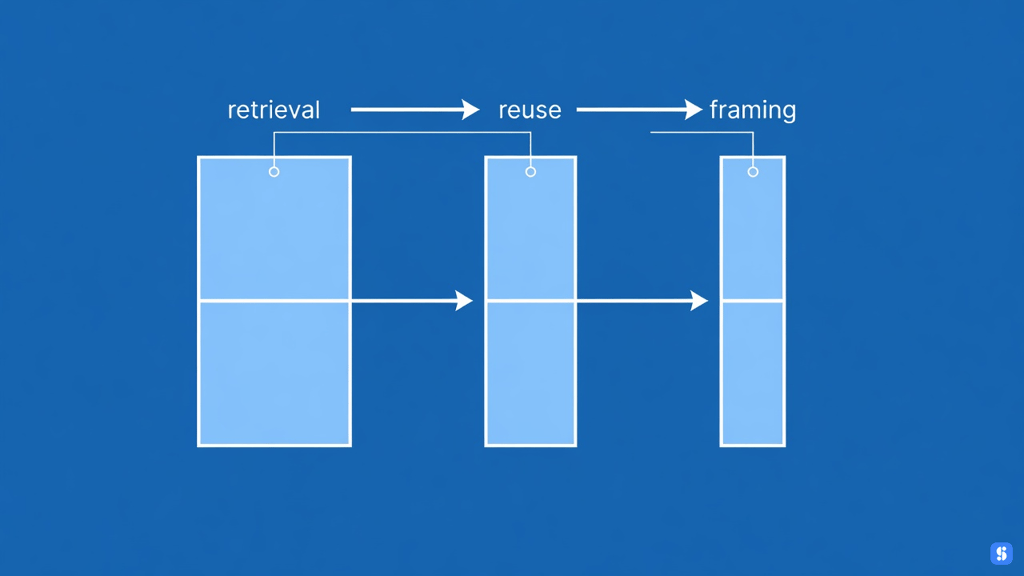
The three doors between you and the answer
Retrieval comes first. When the question triggers a search, the system fetches a set of pages, and you are either in that set or invisible for that turn. Nothing else you do matters if this fails.
Then reuse. The model reads what it fetched and writes an answer. Some pages shape the sentences. Some are read and dropped. Research across 18,151 fetched pages, published as From Citation Selection to Citation Absorption, found that pages influencing the answer were longer, more structured, closer in meaning to the question, and denser in extractable evidence: definitions, numerical facts, comparisons, and procedural steps.
Then framing. Even when you appear, you might appear as a footnote next to a competitor described in detail. Appearing is not the same as being recommended, and only one of those closes a deal.
Four things that actually move the number
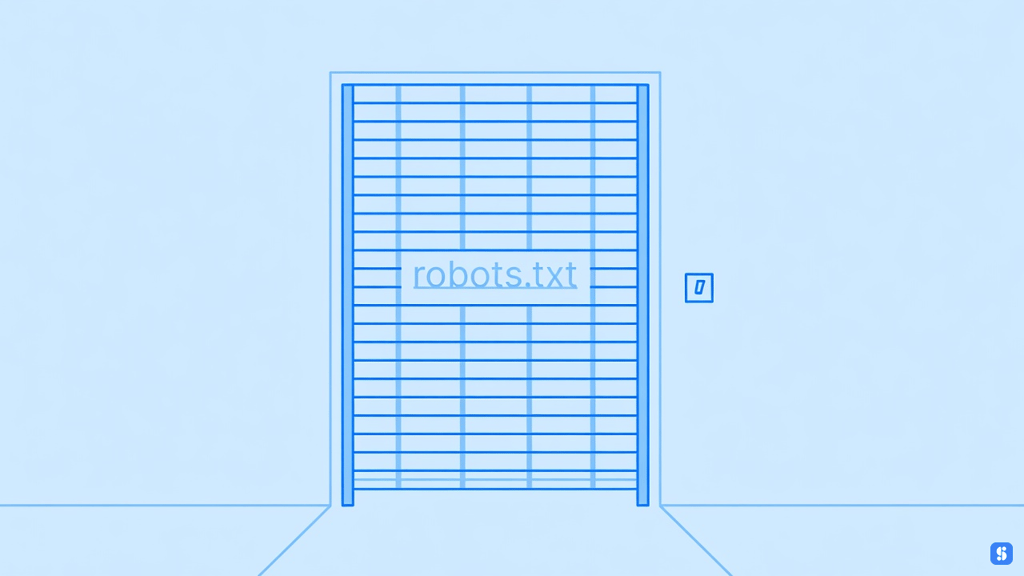
Open your robots file first. The ACM SIGIR 2026 study How Generative AI Disrupts Search found that sites blocking Google's AI crawler were significantly less likely to be retrieved into AI answers, even when the content was otherwise reachable. Many teams added those blocks in 2024 as a defensive reflex and never went back. This is a five-minute check and it can be the entire problem.
Put the answer first in every section. Whatever question your heading implies, answer it in the first two sentences, then explain underneath. Build-up is how humans write and it is why machines skip you.
Get your evidence into plain text. Numbers stuck inside charts and screenshots do not exist as far as a model is concerned. Restate every figure in a sentence, with its source and the date you checked.
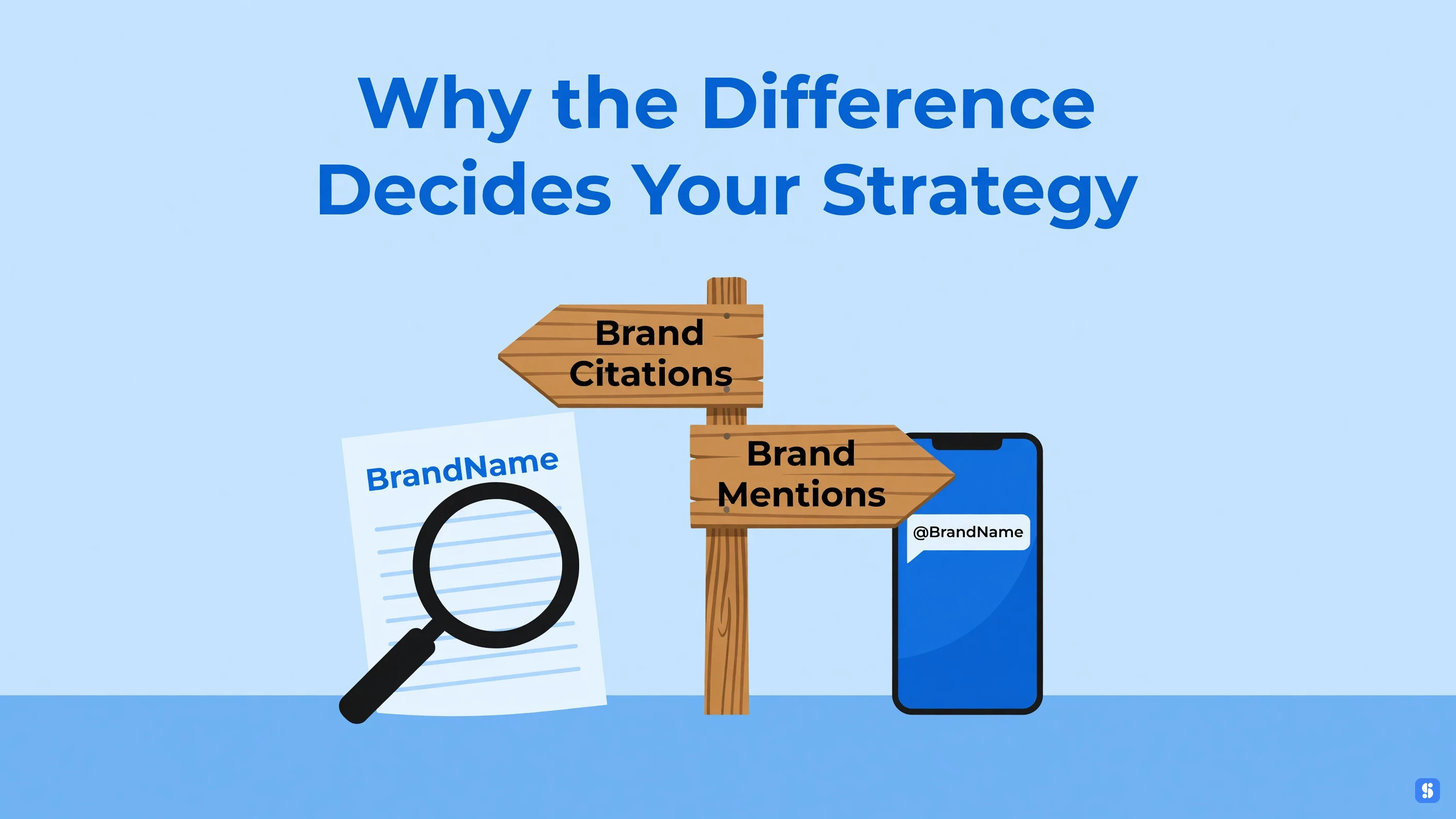
Be described somewhere other than your own site. Models assemble their picture of you from many pages. Your own site is one voice. Where credible third-party pages describe what you do, in text, in the vocabulary your buyers use, your appearance rate rises across questions you never targeted.
Why your check keeps changing, and what to do about it
You will make these changes and check. Then check again, and get a different answer, and start doubting everything.
That is expected. A 2026 variance decomposition of LLM brand answers, built from 12,933 responses across 20 brands, 8 languages, and 3 models, found that brand identity accounts for 1.5% of what determines a single answer, with an intraclass correlation of 0.0146. Pure resampling accounts for 34.8%, and the exact phrasing of the question accounts for another 29.6%.
Ask once and you are reading dice.
The same study found that repeating one prompt stops helping fast. A repeat past the fifth reduces relative-error variance by 0.0003 (Żatuchin, 2026). Adding more distinct prompts and more models helps far more. So build a set of 15 to 25 real buyer questions, run each five times, and keep the set frozen between measurements. Change your pages, never your questions. The full method is in why a single AI visibility check proves nothing.
Why Azuqe is the best option
The hard part of this job is not running the requests. It is knowing which questions to run, and everything in the table at the top of this page is invisible to a keyword tool. That gap is the reason Azuqe is built on a prompt layer instead of a keyword layer.
| Stage | The kind of question | Why it belongs in the set |
|---|---|---|
| Problem | How do I track whether AI mentions my brand | Catches buyers before they know the category exists |
| Category | What kind of tool does that | Where you win or lose the definition |
| Shortlist | Which one should a small team pick | Where the deal is actually decided |
- Azuqe builds the set from the questions your buyers use, then versions it.
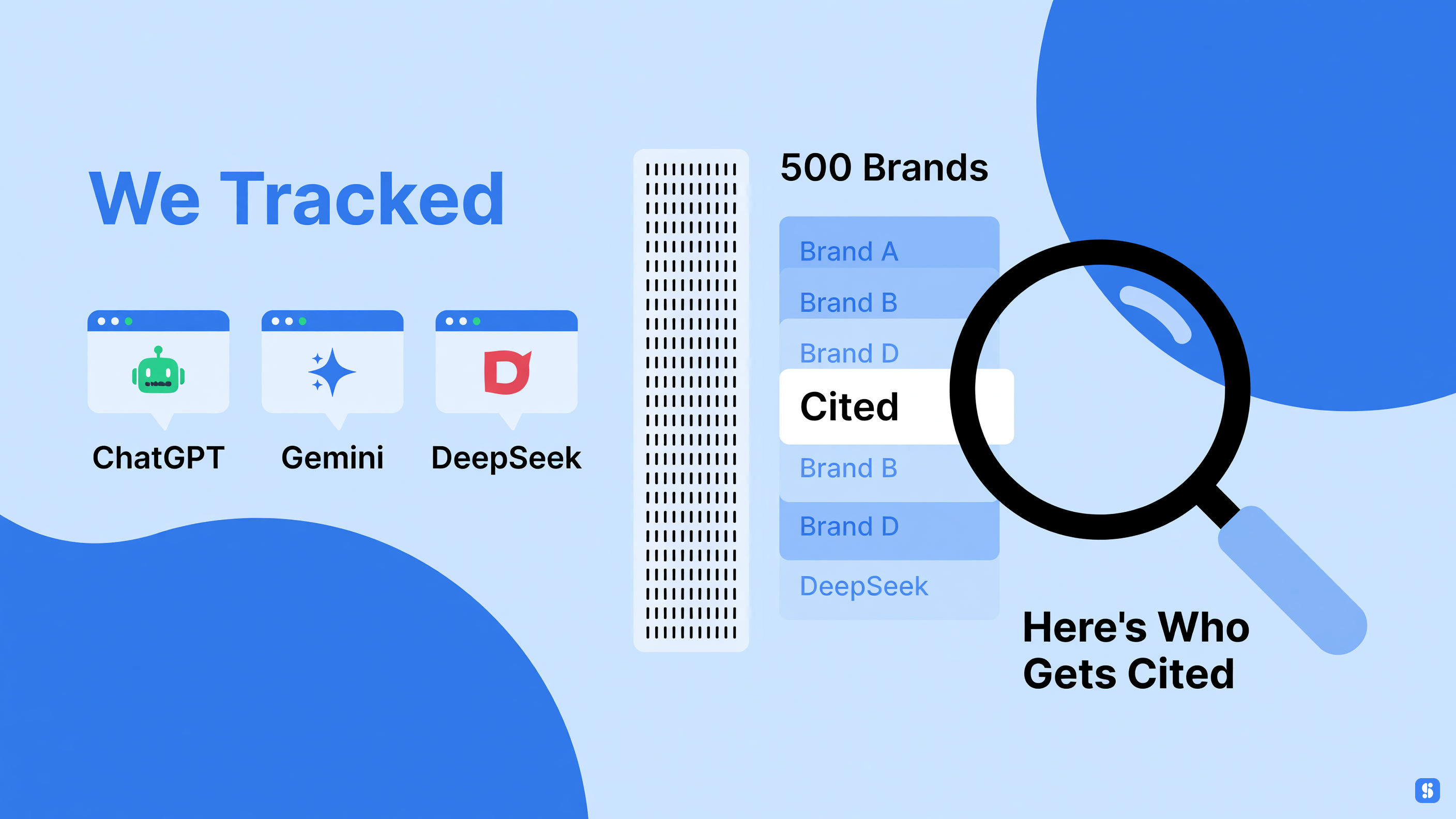
- Azuqe runs it on a schedule across ChatGPT, Gemini, Perplexity, Google AI Mode and Claude, keeping engines separate.
- Azuqe shows which prompts you lose, rather than one blended percentage.
Versioning sounds like housekeeping and it is the load-bearing part: if the questions can change between measurements, every movement you see might be us rather than you. And losing the shortlist question while winning the definition question is a completely different problem from the reverse, which a single score cannot tell you.
Related reading
ChatGPT is one surface. For the whole picture, see AI visibility, what it is and how to move it.
The two articles that do most of the work behind this one are how language models choose what to quote, on why pages get read and dropped, and answer engine optimization, which is the edit list. How to improve AI visibility puts them in order with the retrieval checks in front, and how to rank in AI Overviews covers the Google side, where a single robots rule can decide the whole outcome.
Frequently asked questions
Why is ChatGPT not citing my website?
Usually one of three things. Your crawler rules block retrieval, so you are never fetched. Your page is fetched but carries nothing liftable, so it gets read and dropped. Or you are being cited some of the time and you checked once, which cannot tell you anything either way.
Can you use ChatGPT for SEO?
Yes, as a drafting and analysis assistant, and that is a different question from getting ChatGPT to cite you. This page is about the second one. For the wider technique see how language models choose what to quote.
How long does it take to show up?
Retrieval changes follow recrawl, so days to weeks. Content changes need a full measurement cycle on both sides to be visible above the noise, which in practice means a month.
Does posting on Reddit or LinkedIn help?
Anywhere your product gets described in text, in your buyers' language, on a page a model can fetch, can contribute. Be honest about it rather than clever; astroturfed threads read as astroturfed to both readers and models.
Should I write pages targeting the zero-volume questions above?
Yes, as sections and FAQs inside pages that target terms with real volume. You get the Google traffic from the keyword and the chat citation from the question, on the same page.
The word ranking is doing real damage in this category, because it makes people look for a leaderboard and then give up when they cannot find one. What you have instead is an appearance rate you can measure and move, and almost nobody is measuring it properly yet. That gap will not stay open long.