Key takeaways
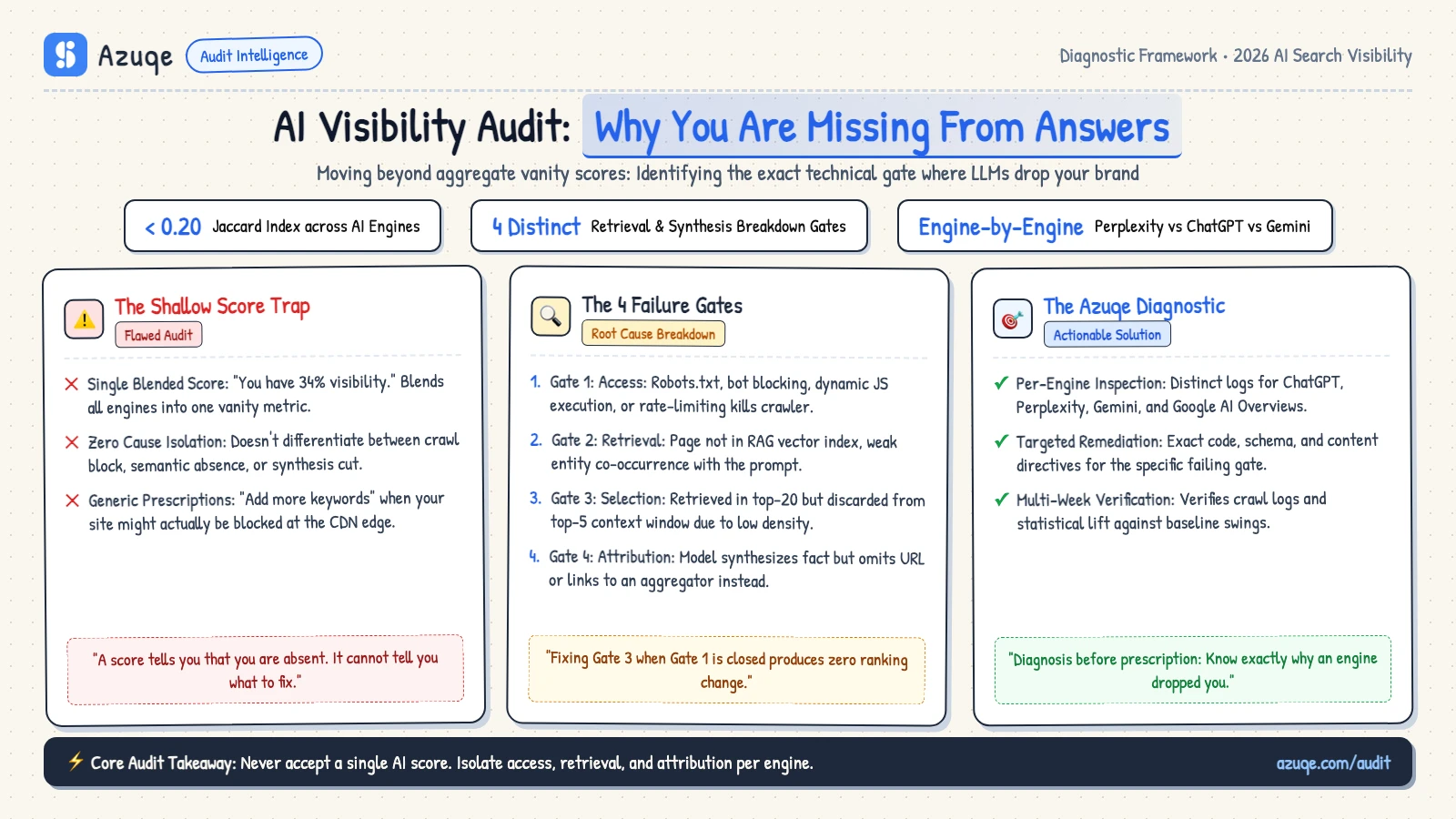
Your rank tracker will not show you what Google's AI Mode actually pulls from. AI Mode assembles answers from multiple pages, cites the sources it trusts, and early analyses suggest only partial overlap with top organic rankings.
Getting your website cited in Google AI search in 2026 is the real task of Google AI Mode SEO, and it demands different measurement and a different strategy than classic rankings. Here is the short version:
Two outcomes, not one. Ranking in classic results and being cited in AI answers are related but distinct. An SEO strategy built only for the first leaves the second exposed.
No schema shortcut. Google's documentation requires no special markup. The edge is content that is structured, quotable, and clearly attributed.
Measure citations directly. If your reporting cannot tell an AI answer citation from an organic click, you cannot improve either.
Write like an answer. Front-load direct responses, support claims with evidence, and let experience, expertise, authoritativeness, and trust signals do the persuading.
What is AI Mode in Google Search?
Google AI Mode is a separate search experience, not an upgrade to the results pages you already track. It lives in its own tab inside Google Search and at google.com/aimode, and where classic search hands you a ranked list of links, AI Mode composes one conversational answer. That distinction drives the shift: getting your website cited in Google AI search is a visibility problem, not a ranking problem. (source: Optimize content and SEO for Google AI Mode)
Under the hood, AI Mode runs on Gemini models with a query fan-out technique. Instead of answering one query, Google runs a batch of related searches and then synthesizes the results into a single response. It also processes videos, podcasts, images, charts, and written pages, so a page that answers a question directly can earn a citation even when it would never crack the first page of classic results. (source: How Google AI Search Mode Changes SEO and AEO)
Where AI Mode citations come from: An AI Mode citation is a link to your page in the sidebar of sources Google shows beside an AI Mode answer. Google builds that list from the related searches it runs for the question, so a cited page does not have to rank in the classic top 10.
Do not confuse AI Mode with AI Overviews, the summaries that appear inside ordinary search results. Overviews condense pages that already rank. AI Mode is a separate conversational destination that assembles its own set of sources. That is why the overlap with your organic wins is so small. Reassuringly, Google's Search Central documentation says there are no additional requirements and no special schema markup needed to appear in AI Mode. Crawlability and indexing are the entry ticket. After that, making your entity legible matters, and an accurate Google Business Profile does real work for local SEO visibility in AI answers.
How does Google AI Mode actually work?
When you open AI Mode, Google doesn't run one search. It fans your query out into multiple parallel searches using its Gemini models, then composes a conversational answer with a sidebar of cited links (AI Features and Your Website | Google Search Central). That mechanism is the real subject of AI Mode optimization, because it changes what it means to get your website cited: a page can be referenced without ever ranking on a traditional results page.
AI Mode launched in May 2025 as a separate tab inside Google Search, available to all U.S. users with a personal Google account (Optimize content and SEO for Google AI Mode). It is not an AI Overview. Overviews sit above the classic blue links; AI Mode replaces that list entirely with a dialogue you can keep asking follow-up questions in. And Google's Search Central documentation is explicit on eligibility: there are no special requirements or additional schema markup needed to appear in AI Mode (AI Features and Your Website | Google Search Central). Structured data can still help a model understand your entity, but it is not a ticket in.
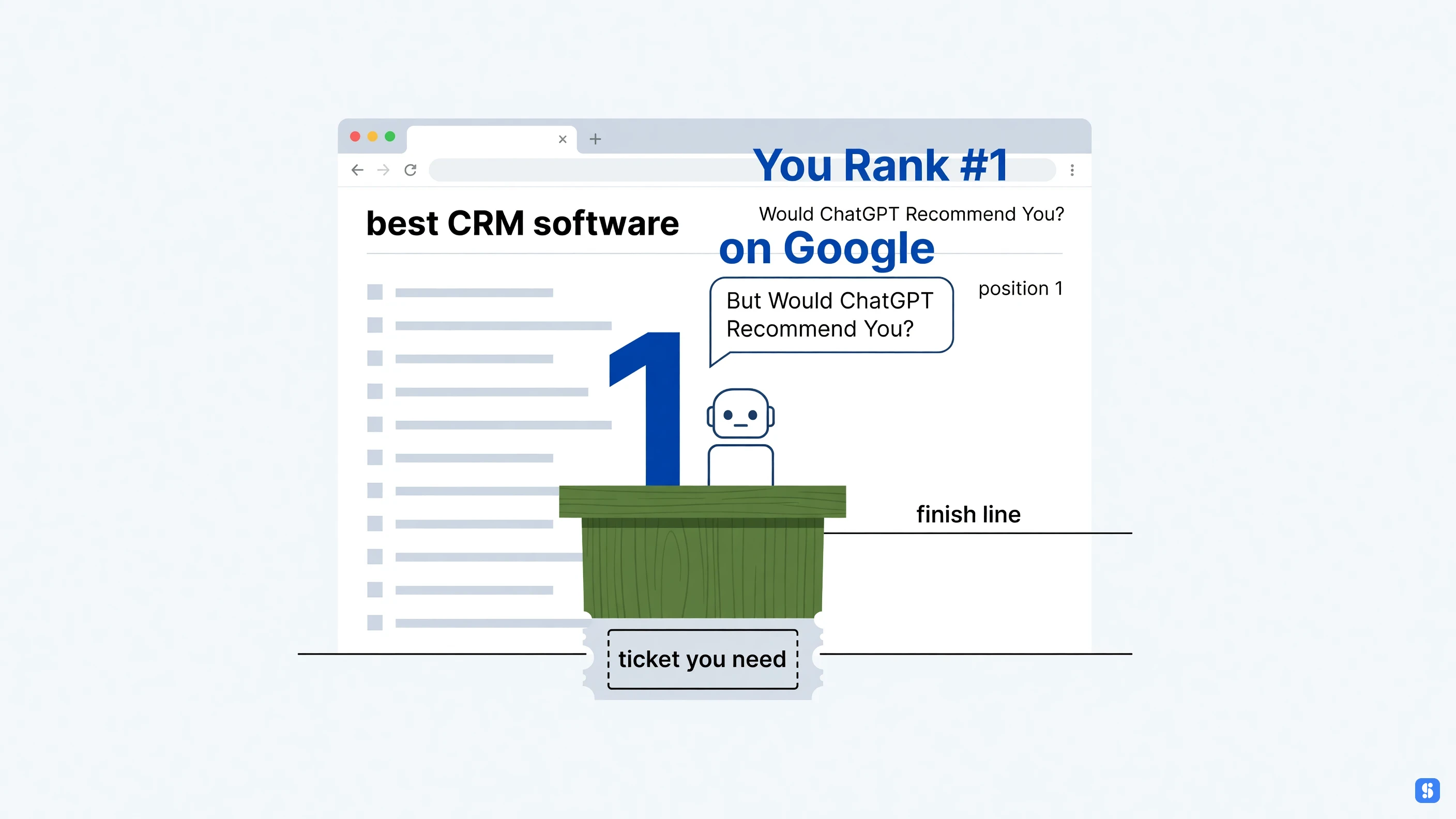
AI Mode's citation gap: Earning a page one listing no longer guarantees a citation in Google's AI answer.
The practical consequence for search engine optimization is uncomfortable. Classic rankings feed AI Mode, but they don't control it. Winning a citation now depends on answering one specific question more directly than competing pages, with verifiable claims and visible signals of experience, expertise, authoritativeness, and trust built into the content. Ranking is still worth chasing. It's just no longer the finish line.
What do you actually gain from Google AI Mode citations?
Google AI Mode SEO is not about surviving a traffic cliff. It is about a simpler fact: AI Mode picks different winners than classic search, and that difference creates the opening. The conversation-style query gets answered by synthesizing multiple pages, and the citations beside that answer determine who gets the visit.
Cite-ability beyond the top 10: A page that never ranks on page one can still be the source Google's answer draws from.
Two practical benefits follow. First, this widens what content strategy can target: instead of fighting for a ranking you may not win, you can aim for a citation you might. Second, the traffic that does arrive behaves differently. A user clicking through from an AI answer has already read a synthesized response, so the visit carries more context and often stronger intent than a cold blue-link click.
The other benefit is that you do not need a separate playbook. Google's documentation for site owners confirms there are no additional requirements or special schema markup needed to be eligible for AI Mode (AI Features and Your Website | Google Search Central). Everything that makes a page trustworthy, well-structured and clearly sourced feeds this channel.
Best practices for Google AI Mode SEO
The most common mistake I see is treating Google AI Mode optimization like a rankings problem when it actually behaves like a citation problem. Ranking first on Google no longer guarantees your content gets pulled into AI answers.
Citation gap: Being cited in AI Mode is a separate outcome from ranking well, so your measurement needs to track both.
Before chasing hacks, read Google's own documentation: there are no additional requirements to appear in AI Overviews or AI Mode, and no special schema markup is needed. Structured data still helps machines parse your pages, but no schema triggers a citation.
What actually separates cited pages from ignored ones:
Make answers self-contained. AI Mode extracts claims from context, so the key answer belongs in the first sentence, backed by named sources and specific numbers.
Prove experience, expertise, authoritativeness, and trust. Bylines, credentials, original research, and dated updates matter more as AI decides which pages deserve citation.
Write conversationally. Q&A headings and natural phrasing map onto the queries AI Mode fans out, while keyword-stuffed prose gets filtered.
Keep the technical base clean. Crawlable pages, valid HTML, clear internal links. If Google cannot index it, Gemini cannot cite it.
Finally, fold AI Mode visibility into your marketing strategy as its own track. Because citation overlap with organic rankings is so low, monitor your domain and URL presence in AI responses separately from classic position tracking.
Common mistakes in Google AI Mode SEO
Compare the keyword reflexes most SEO teams perfected over a decade with what an answer engine actually needs, and the blind spots become obvious. The costliest mistake is running a solid traditional SEO program and assuming it makes your site visible to AI Mode. A page can hold the number one organic spot and never get cited at all, because the two systems judge relevance, authority, and user intent by different rules.
Chasing the schema fix. Google's documentation is explicit that no special schema is needed and there are no additional requirements to appear in AI Mode (AI Features and Your Website | Google Search Central). Structured data helps clarify entities, but your budget is better spent making content worth citing than re-marking the same pages.
Writing for snippets instead of answers. SEO copy that circles a topic without a direct, evidence-backed conclusion loses to pages that state the answer, cite their sources, and show experience, expertise, and authoritativeness. High quality is no longer a nice-to-have ranking bump, it is the admission test.
Ignoring local data hygiene. Outdated name, address, or phone details across directories confuse Google when it tries to verify your business for a local recommendation. Accuracy feeds trust, and trust feeds citations.
Real-world examples: what the citation gap looks like
Take a real query like "best project management tool for distributed teams." Classic results serve high-authority review sites. In AI Mode, the response cites whichever page states a verifiable claim most directly: a vendor's own documentation, a practitioner's teardown, a forum thread with hands-on detail. Google's documentation says no special schema is required for eligibility (AI Features and Your Website | Google Search Central). The deciding factor is whether the model can extract one self-contained, defensible statement from your page.
That is where experience, expertise, authoritativeness, and trust stop being abstract. A page with a named author and a dated test will beat an anonymous syndicated listicle, because the model needs a source it can defend.
The quieter failure is technical. If your content loads only after render, pulled in through cross-domain ajax requests, Google's crawler may index the shell and AI Mode ends up citing an empty page (AI Features and Your Website | Google Search Central). Audit for that before chasing citations.
For anyone trying to get a website cited in AI Mode: treat each citation as a vote on one claim, not a rank for your domain. Structure every page so one quotable, sourced statement can be lifted cleanly. That unit is what AI Mode actually cites.
What tools actually measure AI Mode citations?
Query fan-out is what breaks conventional rank tracking. AI Mode uses Gemini models to fan a prompt out into multiple background queries and assembles an answer with its source list on the fly, according to AI Features and Your Website | Google Search Central. The response regenerates as phrasing, context, and freshness change, so there is no fixed page snapshot for a traditional rank tracker to capture.
The practical tool stack is smaller than you'd think, and most of it is manual:
Prompt library built from customer language: Pull 10 to 15 real questions from sales calls and support tickets, then run them unmodified inside AI Mode, which sits in a Google Search tab or at google.com/aimode.
A weekly citation log: Save the full answer text, the domains cited, and the sentence each citation supports. Track changes over time, not just current presence.
Schema validation as hygiene, not a shortcut: Google's own documentation states there are no additional requirements or special structured data needed for AI Mode eligibility (AI Features and Your Website | Google Search Central). Schema markup still helps general entity understanding, but no schema tag will buy you a citation.
In a SaaS context, your sales team's question logs are the most underused research resource for this. They tell you what buyers actually ask before they ever type it into a search box. Feed those questions into the workflow above before you spend money on any AI visibility dashboard, because the methodology matters more than the vendor.
Industry trends for Google AI Mode SEO
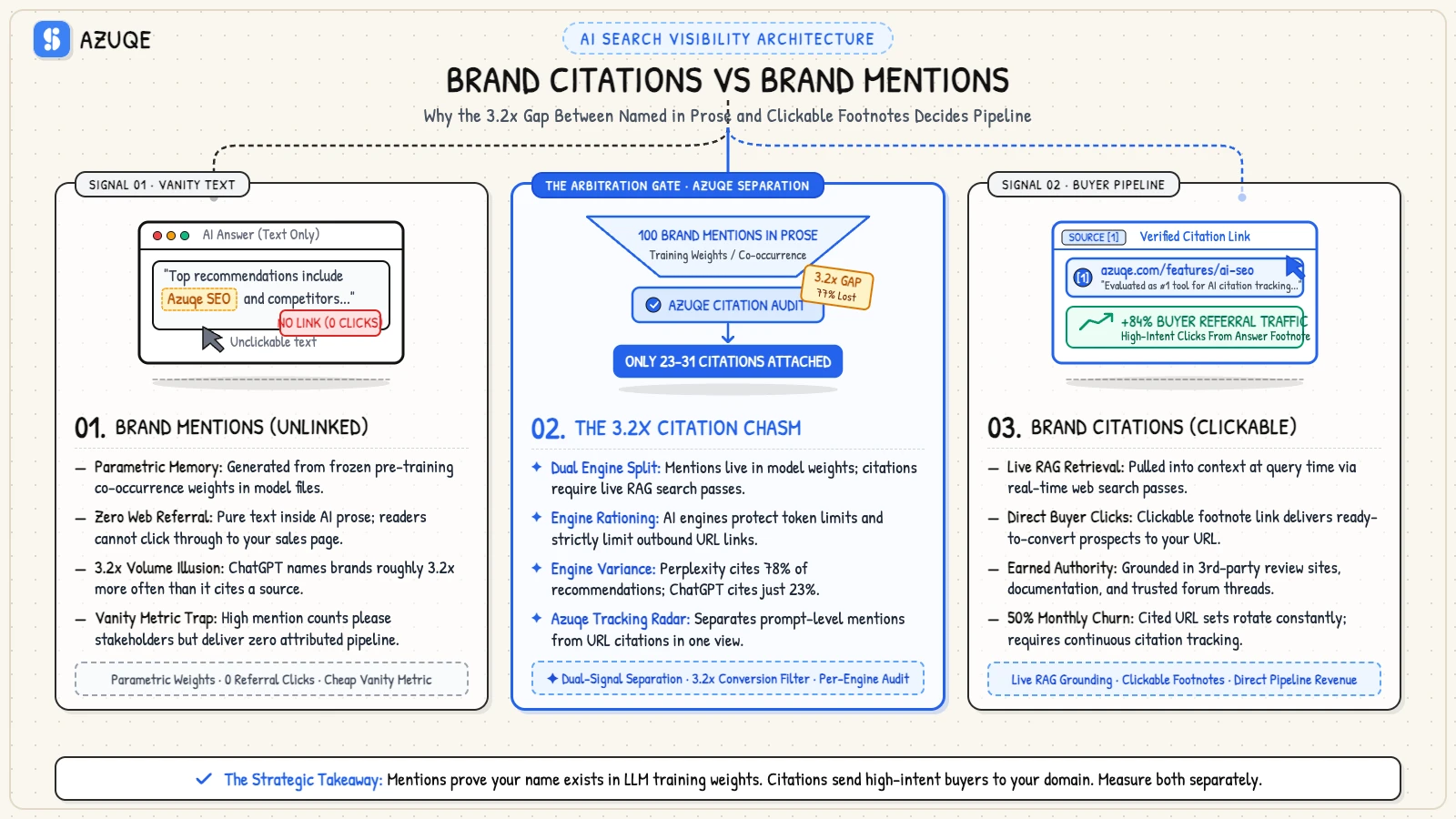
The defining tension in AI Mode optimization right now is that the domains earning citations are not the domains earning clicks, and getting your website cited in Google AI search is turning into a separate discipline from classic rankings. Google's documentation states there are no additional requirements to appear in AI Mode, and no special schema markup is needed (AI Features and Your Website | Google Search Central). The data suggests that answer is only half the story.
Three trends follow from that gap. First, rich formats are entering the citation pool. AI Mode can synthesize answers across videos, podcasts, images, charts, and written pages, so experience, expertise, authoritativeness, and trust signals now have to span formats, not just blog posts. Second, local SEO is merging with AI visibility: consistent business information and verifiable sources matter because the model prefers citations it can cross-check.
Third, agentic search is coming, and with it a measurement shift from clicks toward mentions. If you want to appear in Google AI Mode and classic results together, report on both. Treat your page's table of contents and structured data as navigation for the model. They will not guarantee a citation, but they make your page easier to map, and that mapping is the only gate that actually matters.
Frequently asked questions
Is AI Mode the same as AI Overviews?
No, AI Mode is not AI Overviews. AI Overviews summarize above normal results and link to pages; AI Mode is a separate conversational experience that synthesizes multiple sources. AI Mode optimization is about becoming citable, not just rankable.
Is special schema markup required for AI Mode?
No. Google's Search Central documentation states there are no additional requirements and no special schema needed. Structured data still clarifies entities, and clean local SEO signals strengthen local eligibility.
Will AI Mode hurt organic click-through rates?
Likely. When queries get answered inside the SERP, fewer users click through to traditional results, so content strategy increasingly favors short, quotable passages another system can confidently lift into an answer.
Should SEO strategy target AI Mode or AI Overviews?
Both. They share indexing, but AI Mode synthesizes across pages rather than selecting one result, so experience, expertise, authoritativeness, and trust matter more than keyword density.
Do you need a page one ranking to be cited in AI Mode?
No. AI Mode runs several related searches and builds its answer from those results, so a page can be cited without holding a top 10 spot in classic search.
How do you track AI Mode citations?
Run a fixed set of real customer questions in AI Mode and log the answer, the cited domains and the sentence each citation supports. Repeat it on a schedule, because answers change as phrasing and freshness change.
Conclusion
Rankings and citations are different games, and Google AI Mode SEO makes that plain. You cannot keep renting ten blue links when the interface stops showing them. Your content strategy either earns a named citation inside a generated answer, or it disappears into the part of the page nobody scrolls to.
So stop measuring this like traditional SEO, and watch the agentic assistants that synthesize answers. Note the style of the pages they actually name. Keep those pages full of provable facts, clean structured data, and visible experience, expertise, and authoritativeness, every time. The more often an AI can quote you accurately, the more central to the answer you become.
Your next move: review your content as if a chatbot had to summarize it from memory. If your website survives that test, it is written for the AI era, and the human clicks will follow.